

How Real-Time Vehicle Diagnostics Prevent Costly Repairs
In today’s fast-paced world, vehicle maintenance and repair can often seem like a time-consuming and expensive endeavor. However, with the advent of real-time vehicle diagnostics, car owners can now manage and prevent costly repairs before they turn into serious issues. This technology not only saves money but also extends the life of the vehicle.
Understanding Real-Time Vehicle Diagnostics
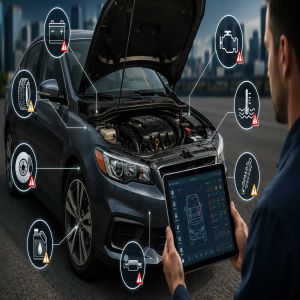
Real-time vehicle diagnostics systems are advanced frameworks embedded within modern vehicles that monitor the performance and health of various components in real time. These systems utilize sensors and onboard diagnostics (OBD) ports to gather data about the vehicle’s engine, transmission, exhaust system, and more. The information is then analyzed, either onboard or off-site, to detect any potential issues or inefficiencies.
The Role of OBD in Modern Vehicles
The Onboard Diagnostics (OBD) system is a vital part of real-time diagnostics. Initially introduced in the 198s, OBD systems have evolved significantly. Today’s OBD-II system, mandatory in vehicles sold in the United States since 1996, provides real-time data as well as a universal series of error codes which can be interpreted by scanning tools to quickly identify and isolate malfunctions within the vehicle.
Benefits of Real-Time Diagnostics
Real-time diagnostics offer numerous benefits that contribute to the prevention of costly repairs:
- Early Detection of Issues: By continuously monitoring the status of a vehicle’s critical systems, issues can be identified before they develop into serious problems, reducing the need for extensive repairs.
- Improved Fuel Efficiency: These systems can optimize the performance of the engine, transmission, and other components, improving overall fuel efficiency.
- Increased Lifespan of Vehicle Components: Regular monitoring helps maintain the components in optimal condition, thereby extending their lifespan.
- Enhanced Safety: By ensuring that critical systems are functioning correctly, real-time diagnostics enhance the safety of the vehicle.
- Convenience: Many diagnostic systems offer integration with mobile apps, allowing users to monitor their vehicle’s health on the go.
For more detailed information on how these systems can save you money and time, visit our website at autoinsight.ca .
Case Studies and Real-World Applications
One practical example of how real-time diagnostics prevent costly repairs is through the detection of engine misfires. Misfires can lead to engine damage if not addressed promptly. Real-time diagnostics systems can alert the vehicle owner to the misfire, specifying its nature and the urgency of repairs needed.
Another example is the monitoring of the transmission system, which, if faulty, can be one of the most expensive parts of a vehicle to repair. Early detection of irregularities, such as shifting delays or unusual noises, can prevent damage that would result in costly repairs.
Integrating Real-Time Diagnostics into Your Vehicle
If your vehicle does not have a built-in diagnostics system, aftermarket solutions are available. These systems can be installed into the OBD-II port of your vehicle, providing you with detailed insights into your vehicle’s health and performance. It is advisable to choose a system that offers comprehensive features and is compatible with your vehicle’s make and model.
Conclusion
Real-time vehicle diagnostics are transforming the way we maintain and repair our vehicles. By leveraging these systems, car owners can enjoy not only reduced repair costs but also an overall improvement in vehicle performance and lifespan. As technology advances, the integration of these systems in vehicles will likely become standard, making proactive vehicle maintenance easier and more effective than ever.



Comments (0)