
What Fluids Should Every Car Owner Check Regularly?
Maintaining your car involves more than just filling up the gas tank and occasional cleaning. Knowing which fluids to check, and regularly doing so, can save you from costly repairs and extend the life of your vehicle. Here are the essential fluids that every car owner should monitor to ensure their vehicle remains in top running condition.
Engine Oil
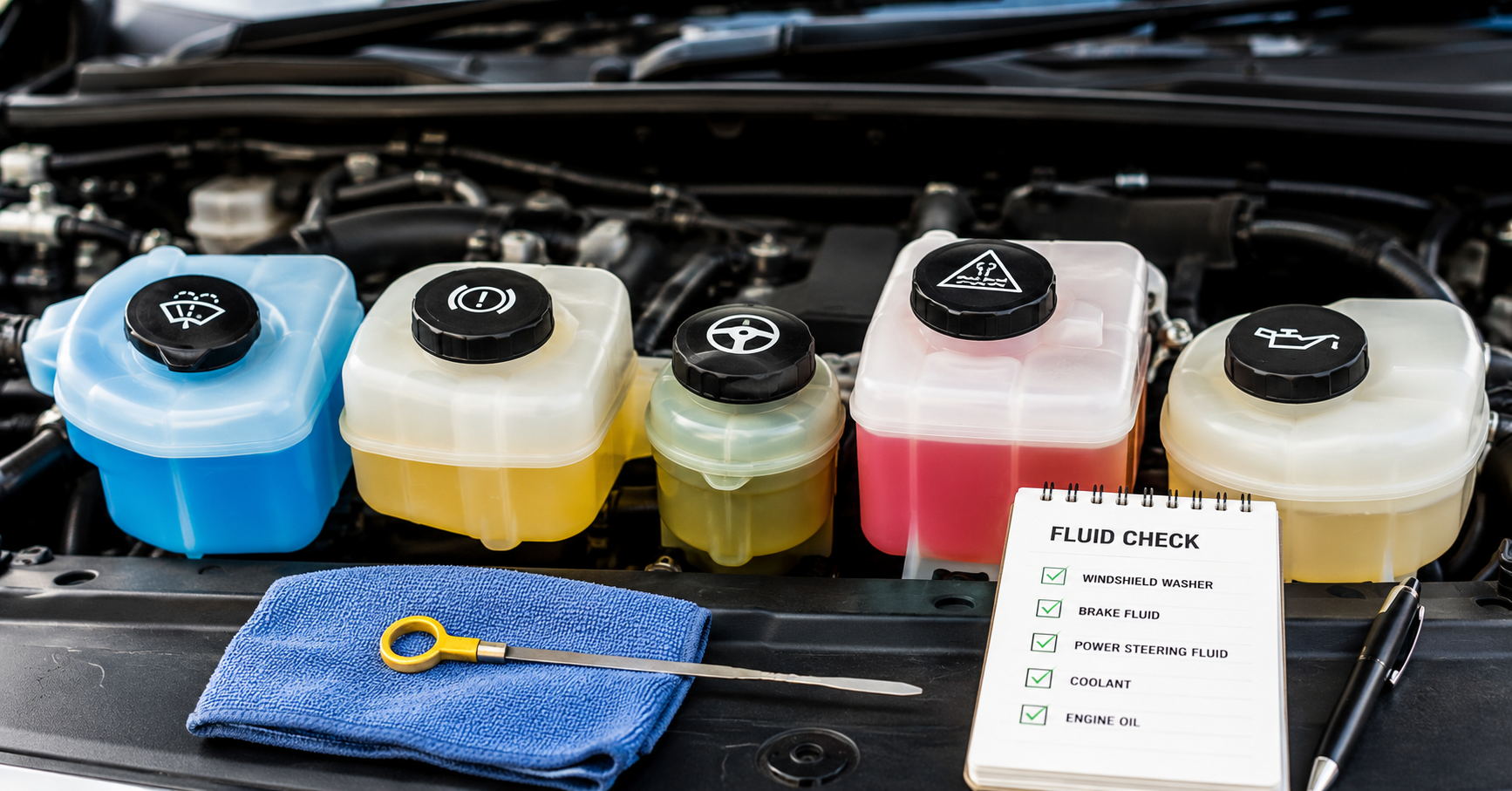
Engine oil is crucial for lubricating and cooling the moving parts within your engine. Neglecting oil levels can lead to engine damage or failure. Check the oil level at least once a month and before any long trip. Use the dipstick to check the oil level and color. If it's too low, or if the oil is a dark, dirty color, it's time to change it.
Coolant
Coolant, or antifreeze, is essential for regulating your engine's temperature. It prevents your engine from overheating in the summer and freezing in the winter. Check the coolant level in the overflow tank regularly when the engine is cold. The level should be between the "low" and "full" marks. Top it up if necessary, and ensure the radiator cap is secure.
Transmission Fluid
Transmission fluid keeps your transmission lubricated, which prevents excessive wear and overheating. It's advisable to check this fluid monthly. For most vehicles, the transmission fluid should be checked while the engine is running and warm. The fluid should be a bright red color and not smell burnt. If it's dark or has a burnt odor, it needs to be changed or inspected by a professional.
Brake Fluid
Brake fluid is a hydraulic fluid that helps in the smooth operation of your braking system. Low or dirty brake fluid can lead to brake failure. Check the brake fluid level in its reservoir; the level should be within half an inch of the cap. If it's low, top it up to the proper level and check for any potential leaks in the brake system.
Power Steering Fluid
Power steering fluid ensures that your steering turns smoothly and effortlessly. Like brake fluid, it's also hydraulic. Check this fluid level monthly by locating the reservoir and checking the dipstick. Low levels can make steering your vehicle more difficult and can damage the steering system components.
Windshield Washer Fluid
While not as critical for your car's mechanical health, windshield washer fluid is essential for your visibility while driving. Keeping this topped up can mean the difference between safe driving and a potential hazard if you cannot clear your windshield while on the road. Refill the windshield washer reservoir as needed, especially in messy weather conditions.
For more detailed guides and expert advice on vehicle maintenance, visit our website at autoinsight.ca .
Conclusion
Regularly checking these fluids can help prevent mechanical issues and extend the lifespan of your car. It’s a small investment of time that can save you from the inconvenience and expense of major repairs. Always consult your vehicle’s owner manual for specific guidelines and the correct types of fluids to use. Remember, maintaining your vehicle’s fluid levels is a crucial aspect of car maintenance that should not be overlooked.



Comments (0)