
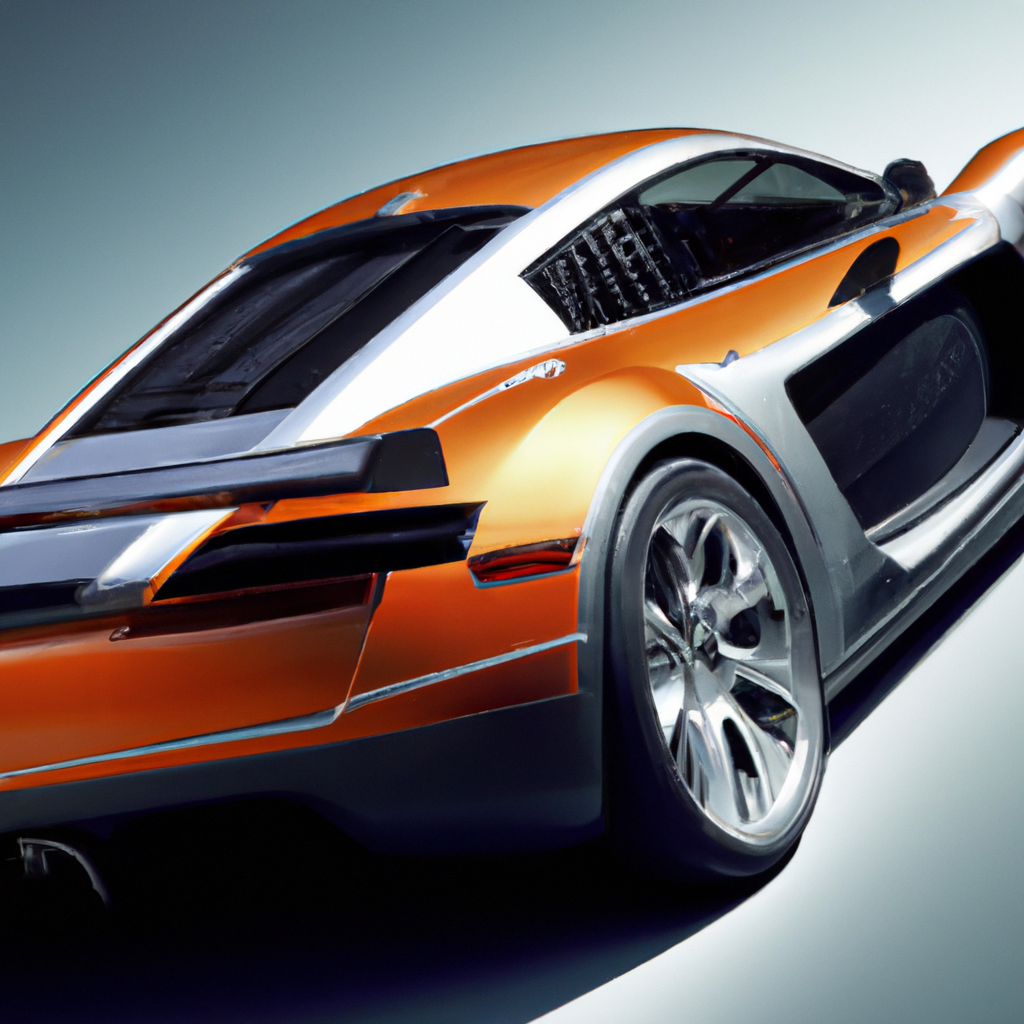
The Future of Vehicles: Innovations That Are Shaping the Industry
As we surge into the future, the vehicle industry continues to undergo significant transformations influenced by technology, environmental policies, and consumer preferences. This article delves into some of the most compelling innovations shaping the future of transportation, highlighting advancements in electric vehicles (EVs), safety enhancements, and smart technology integrations that are setting new standards in the automotive world.
Electric Vehicles (EVs): Leading the Charge Towards a Greener Future
The shift towards electric vehicles is arguably the most significant change in the vehicle industry. Driven by a global push for sustainability, EVs offer a cleaner alternative to traditional gasoline-powered cars. Innovations in battery technology and charging infrastructure are making EVs more accessible and convenient, promising a future where electric mobility dominates the roads.
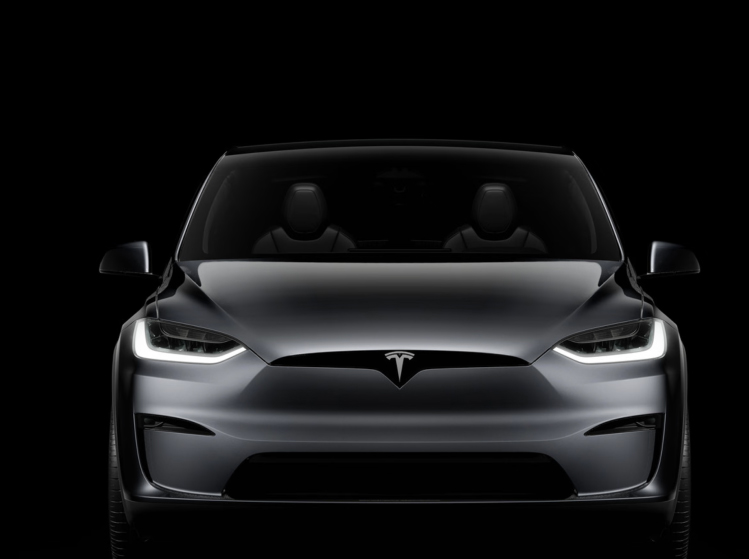
Companies like Tesla, Nissan, and Chevrolet are at the forefront, continually improving the range and efficiency of their EV offerings. The introduction of solid-state batteries is anticipated to be a game-changer, providing quicker charging times and longer ranges, further enhancing the appeal of electric vehicles.
Enhanced Safety Features: Making Roads Safer for Everyone
Modern vehicles are becoming safer thanks to advanced driver-assistance systems (ADAS). Features such as automatic braking, lane-keeping assist, and adaptive cruise control are becoming standard in new models, significantly reducing the likelihood of accidents. Furthermore, the integration of artificial intelligence in vehicle safety systems is starting to take shape, with systems capable of analyzing real-time road conditions and driver behavior to prevent collisions.
Future safety measures are expected to evolve with more sophisticated technologies, like augmented reality dashboards and vehicle-to-vehicle communication, which could revolutionize how drivers interact with the road and surrounding vehicles.
Smart Technology: Enhancing Connectivity and Convenience
The integration of smart technology in vehicles is enhancing the driving experience by making it more connected, convenient, and personalized. From GPS navigation that offers real-time traffic updates to voice-activated controls and customizable ambient lighting, the possibilities are endless. Additionally, the advent of IoT (Internet of Things) in automotive design allows vehicles to connect with other devices, like smartphones and home automation systems, providing a seamless user experience both on and off the road.
Looking ahead, autonomous driving technology continues to progress, with several manufacturers testing self-driving cars. This innovation could redefine our entire concept of vehicle ownership and usage in the coming decades.
Conclusion
The vehicle industry is at a pivotal juncture, with innovations in electric vehicles, safety features, and smart technology leading the way. These advancements not only promise to make driving more environmentally friendly and safer but also more enjoyable and convenient. As technology continues to evolve, the future of vehicles looks both exciting and promising, with endless possibilities on the horizon.

Comments (0)