
How Often Should You Change Your Engine Oil?
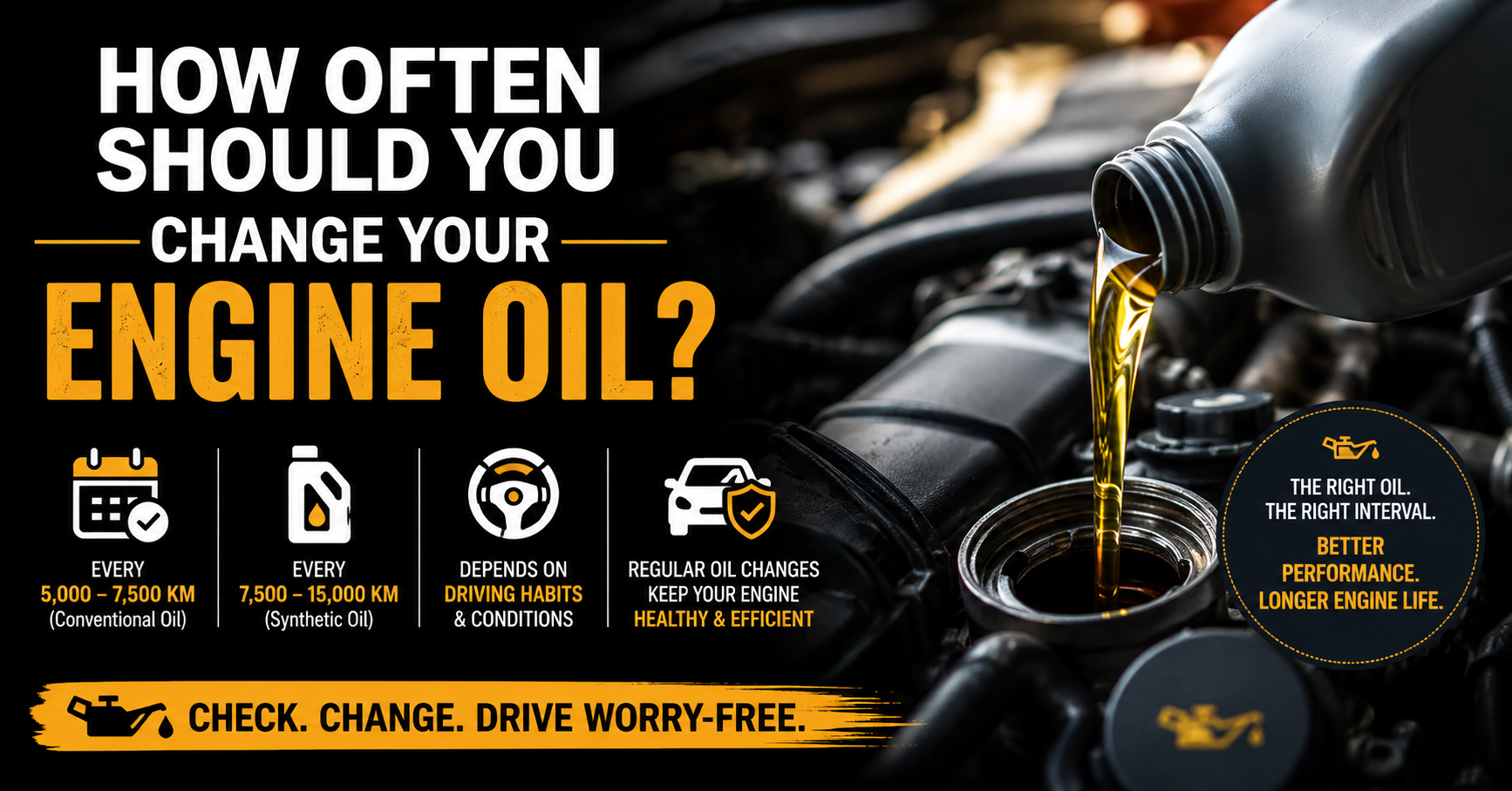
Maintaining your vehicle in top condition is crucial for its performance and longevity. One of the most fundamental aspects of vehicle maintenance is regularly changing the engine oil. But how often should you change your engine oil? The answer can vary depending on several factors including the type of vehicle you drive, the age of your car, the type of oil you use, and your driving conditions.
Understanding the Importance of Engine Oil
Engine oil plays a critical role in your car's engine by lubricating the moving parts, reducing friction, and helping to keep the engine cool. Over time, engine oil breaks down and becomes contaminated with dirt, dust, and debris from the engine and the environment. If not changed regularly, dirty oil can lead to increased wear and tear, reduced efficiency, and potentially severe engine damage.
General Guidelines for Oil Change Frequency
Traditionally, the rule of thumb for oil changes was every 3,000 miles or every three months, whichever came first. However, with advancements in engine design and oil technology, this guideline has evolved. Many modern vehicles, especially those using synthetic oil, can go 7,500 to 10,000 miles between oil changes. To get specific guidance for your vehicle, it’s best to consult your owner’s manual for the manufacturer's recommendations.
Factors Influencing Oil Change Intervals
- Type of Oil: Synthetic oils generally last longer than conventional oils and can withstand higher temperatures and tougher driving conditions.
- Driving Conditions: Frequent short trips, extended idling, or driving in extreme conditions (hot, cold, dusty) can require more frequent oil changes.
- Engine Type and Age: Older engines and those that aren’t as efficient may benefit from more frequent oil changes to maintain performance and prevent problems.
Checking Oil Quality and Level
Between oil changes, it’s important to regularly check your oil level and quality. This can be done by using the dipstick. Clean oil should be amber in color and free of any large particles. Dark, gritty, or excessively thick oil can indicate it's time for a change. Keeping an eye on these factors can help you better understand the condition of your oil and engine.
For more detailed information and tips on vehicle maintenance, visit our website at autoinsight.ca .
Benefits of Regular Oil Changes
Regular oil changes help to:
- Maintain engine lubrication.
- Improve gas mileage by reducing engine friction.
- Prolong the engine’s lifespan.
- Help cool engine components.
- Remove engine wear particles and sludge.
Conclusion
Changing your engine oil regularly is a simple yet crucial part of maintaining your vehicle. While the frequency can vary based on several factors, adhering to your manufacturer's recommendations and considering your driving habits and conditions can help ensure your engine runs smoothly and efficiently. Remember, when it comes to engine oil, it’s better to err on the side of caution and change it sooner rather than later to protect your vehicle’s engine and optimize its performance and lifespan.




Comments (0)