
How to Spot Odometer Fraud When Buying a Used Car
Buying a used car can be a cost-effective option, but it also comes with certain risks such as odometer fraud. Odometer fraud occurs when the mileage on a vehicle's odometer has been tampered with to display a lower number, thus misleading the buyer about the true condition and value of the car. In this post, we'll explore some effective ways to detect odometer fraud before you make a purchase.
Understanding Odometer Fraud
Odometer fraud, also known as "clocking," involves altering the odometer of a car to show less mileage than the car has actually traveled. This deceitful act is done to increase the vehicle’s resale value as cars with lower mileage can often be sold at a higher price. It is illegal and can lead to costly repairs down the line for the unsuspecting buyer.
Signs of Odometer Tampering
There are several indicators that can suggest odometer fraud:
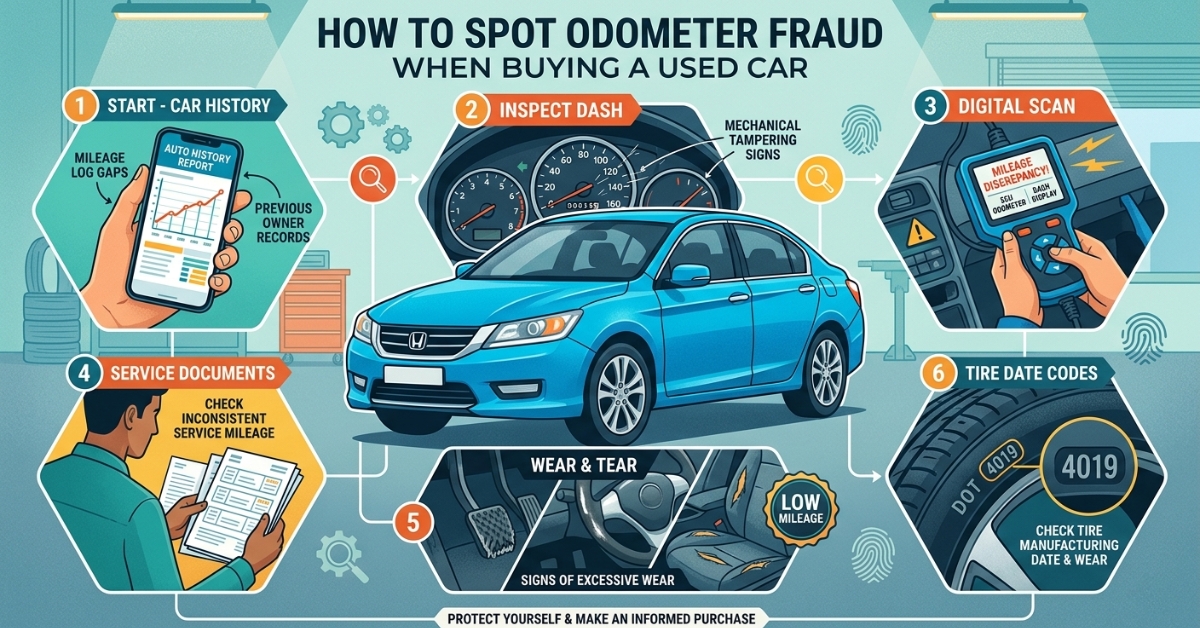
- Wear and Tear: Does the amount of wear and tear seem consistent with the mileage? For example, a car showing very low mileage but having a heavily worn pedal, steering wheel, or driver’s seat could be a red flag.
- Service and Maintenance Records: Check the vehicle's service records. Inconsistencies in the mileage reported during services or gaps in the records can be suspicious.
- VIN Checks: A Vehicle Identification Number (VIN) check can reveal detailed information about the car’s history, including past odometer readings.
- Odometer Check: Look at the odometer itself. Signs of tampering include misaligned digits or digits that stick.
Steps to Verify Mileage Legitimacy
To ensure the odometer reading is accurate, follow these steps:
- Examine the Odometer: Check for any signs of mechanical or digital tampering. Analog odometers that are not aligned correctly or have scratch marks could indicate tampering.
- Review Service Records: Obtain and review the car’s service records, looking for oil changes, tire replacements, and other maintenance records that include mileage readings.
- Use a VIN Check Service: Services like Carfax or AutoCheck can provide a history report of the vehicle, which includes past odometer readings.
- Get a Professional Inspection: Have the car inspected by a trusted mechanic who can look for signs of wear that are inconsistent with the odometer reading.
Legal Recourse and Reporting Fraud
If you suspect that you have been a victim of odometer fraud, it is important to act quickly:
- Contact the Seller: Discuss the issue with the seller as it might be a misunderstanding or error that can be resolved amicably.
- Report the Issue: If the seller is uncooperative, report the issue to your local Department of Motor Vehicles (DMV) or consumer protection agency.
- Seek Legal Advice: Consider consulting a lawyer who specializes in consumer or auto fraud law to discuss your options for legal recourse.
Being vigilant and thorough in your inspection when buying a used car can save you from the pitfalls of odometer fraud. Always trust your instincts and don’t hesitate to ask for expert help if something seems off. Remember, it’s better to invest time before the purchase than to deal with potential legal and financial issues afterward.



Comments (0)