
Top EV Technologies That Will Dominate the Next Decade
The rapid advancement in electric vehicle (EV) technology signals a significant shift in the automotive industry. As we step into the next decade, several groundbreaking technologies are poised to dominate the market, reshaping how we think about mobility and sustainability. This article explores the most promising EV technologies that are expected to lead this transformation.
Enhanced Battery Technologies
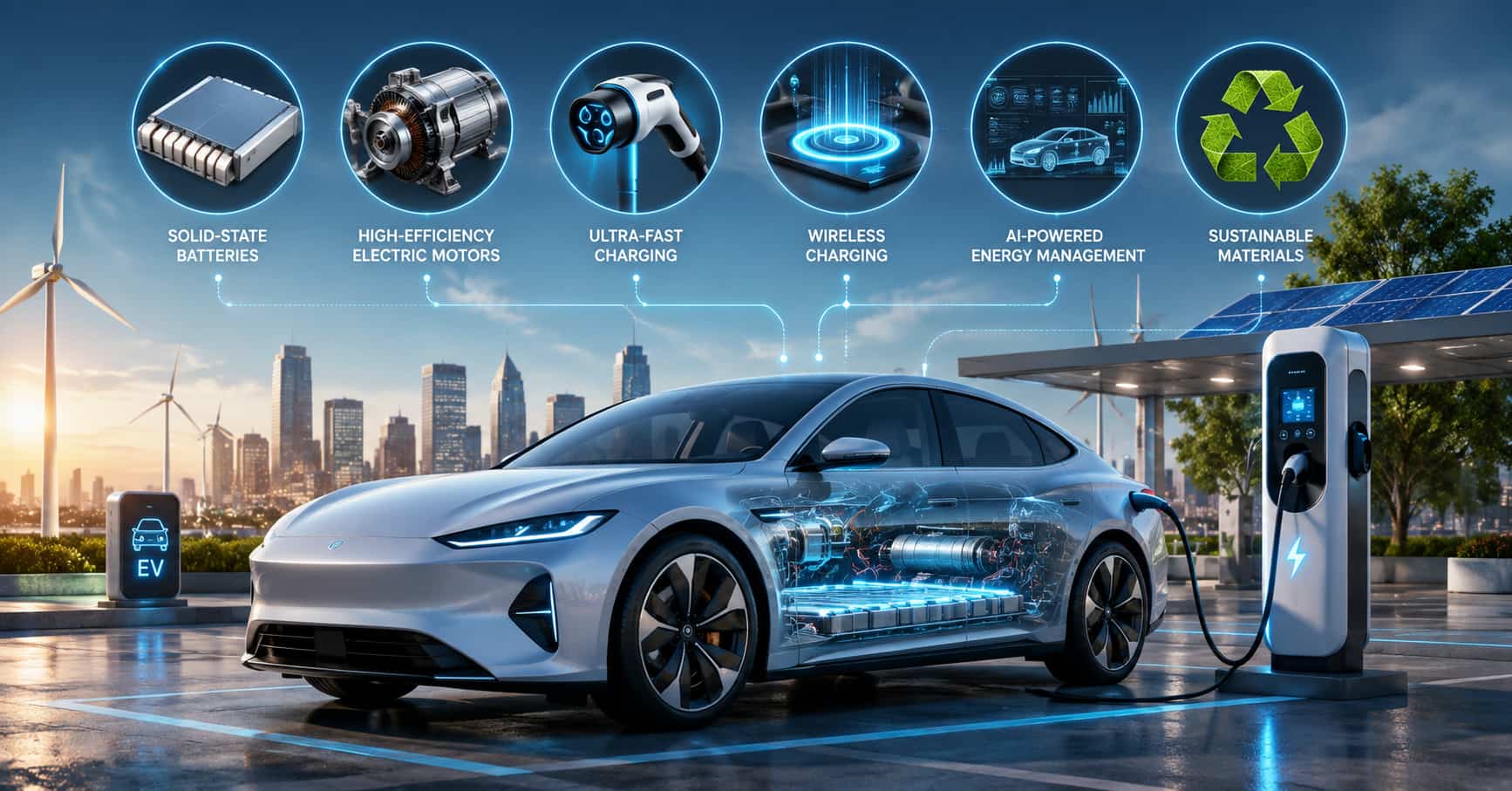
At the core of the EV revolution is battery technology. Lithium-ion batteries have long been the standard, but the next decade will see even more efficient and powerful alternatives. Solid-state batteries are emerging as a key player, offering higher energy density, faster charging times, and improved safety due to their lack of liquid electrolytes. Companies like QuantumScape and Toyota are at the forefront of developing this promising technology, which could significantly increase the range and decrease the charging time of EVs.
Autonomous and Connected Vehicles
Autonomy in vehicles is another frontier that is rapidly evolving. Tesla's Autopilot and Google's Waymo are already well-known, but the next decade will see these systems become more sophisticated and integrated. This will not only enhance safety but also efficiency, as cars will be able to communicate with each other and with road infrastructure, reducing traffic congestions and improving the driving experience.
Wireless Charging Systems
Imagine pulling into a parking spot and having your EV automatically start charging without the need to plug in. Wireless charging technology, also known as inductive charging, is making this a reality. This method uses an electromagnetic field to transfer energy between two objects through electromagnetic induction. Innovations in this area will make EVs more user-friendly and help eliminate one of the major inconveniences associated with electric cars.
Improved Regenerative Braking Systems
Regenerative braking, which recaptures energy usually lost during braking and redirects it to the battery, is set to become even more efficient. Advances in this technology mean that future EVs will be able to recover more energy, thus extending their driving range. This is particularly important in urban settings where frequent stopping is common, making EVs even more economical and environmentally friendly.
Integration with Renewable Energy
As the world moves towards more sustainable energy solutions, EVs are expected to be increasingly integrated with renewable energy sources. Future technologies may allow vehicles to be charged directly from solar or wind energy. This integration will help reduce the carbon footprint of electric vehicles and make them truly zero-emission vehicles.
For more insights and updates on EV technology, visit our website at autoinsight.ca .
Conclusion
The next decade promises to be an exciting era for electric vehicles, driven by significant technological innovations. From solid-state batteries offering longer ranges and shorter charging times to autonomous driving systems that promise safer and more efficient road travel, the future of EVs is bright. These technologies will not only improve the user experience but also contribute to the global effort of reducing carbon emissions and promoting sustainability. As these technologies evolve and mature, they will play a crucial role in shaping the future of transportation.

Comments (0)