
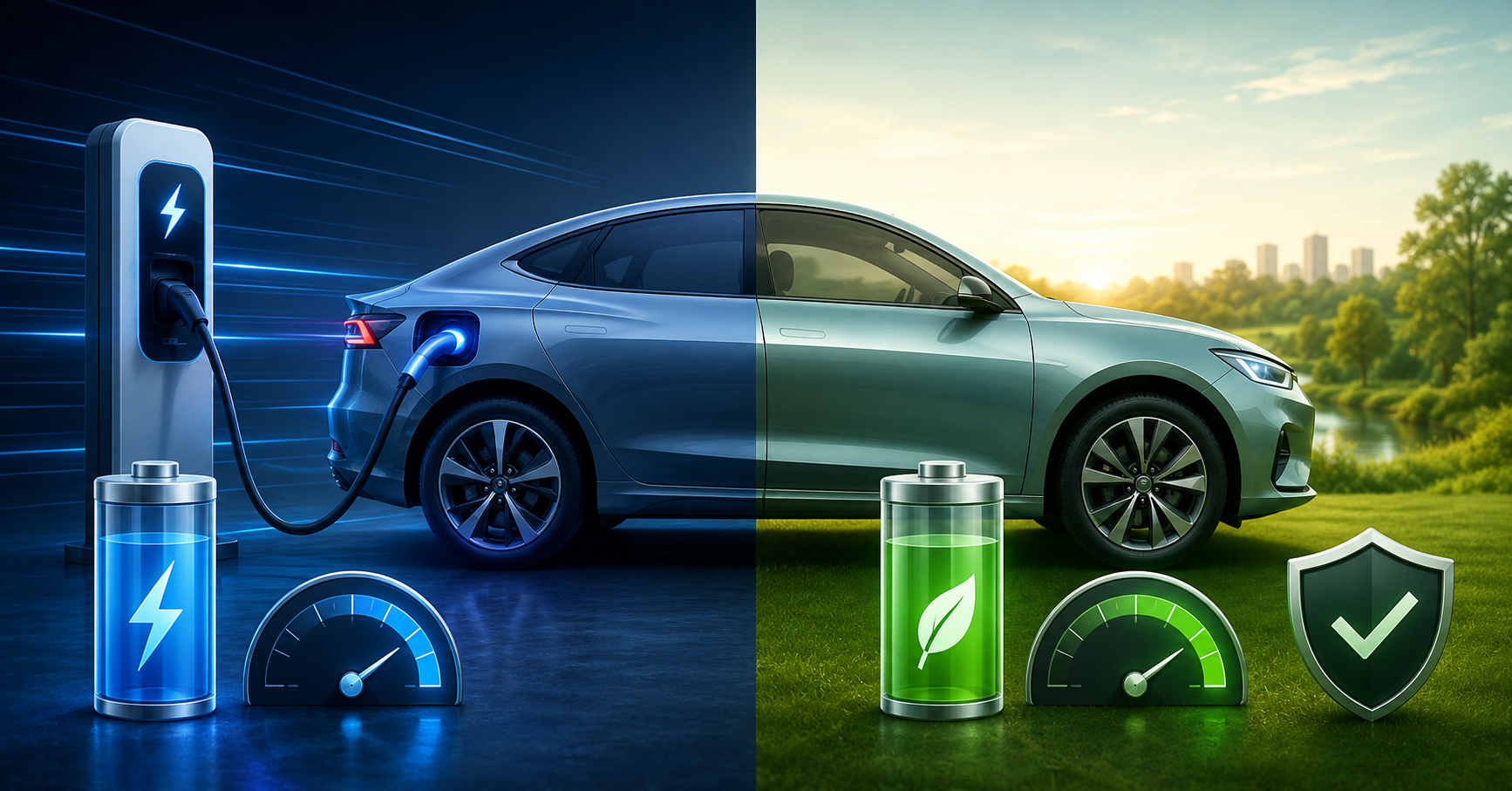
Fast Charging vs Battery Longevity: What Drivers Should Know
As electric vehicles (EVs) become increasingly popular, the convenience of fast charging stations is a significant appeal for potential EV owners. However, there's an ongoing debate about the impact of fast charging on the longevity of vehicle batteries. Understanding the trade-offs between fast charging and battery health is crucial for drivers to maximize both the performance and lifespan of their EVs.
Understanding Fast Charging
Fast charging technology allows electric vehicle batteries to be charged from 20% to 80% capacity in as little as 20 minutes, depending on the vehicle and the power of the charging station. This is achieved through high-powered chargers that can deliver up to 350 kW of power. While this means less downtime for charging, it raises concerns about the potential negative effects on the battery's lifespan.
How Fast Charging Affects Battery Health
The main concern with fast charging is the heat generated during the charging process. Batteries are subjected to thermal stress when charged rapidly, which can degrade the battery's materials over time. High temperatures cause the electrolyte in the battery to break down and the electrodes to degrade, which can reduce the battery's overall lifespan and efficiency.
Additionally, fast charging can lead to uneven charging among cells within the battery. This imbalance can exacerbate wear and tear, leading to a phenomenon known as 'cell imbalance,' which further diminishes battery capacity and longevity.
The Role of Battery Management Systems
Modern electric vehicles are equipped with advanced Battery Management Systems (BMS) that are designed to mitigate the risks associated with fast charging. These systems regulate the battery's temperature, voltage, and current during charging and usage to optimize battery health. They also balance the charge among the cells to prevent cell imbalance and extend the battery's life.
Despite these advancements, the effectiveness of BMS varies among manufacturers and models, and the long-term impacts of regular fast charging are still a subject of ongoing research.
Best Practices for Balancing Fast Charging and Battery Longevity
For drivers looking to balance the convenience of fast charging with maintaining their battery's health, here are some tips:
- Limited Use of Fast Charging: Use fast charging only when necessary. Regularly charging your battery slowly at home can help maintain its health and longevity.
- Maintain Optimal Battery Temperature: Try to charge in cooler conditions and avoid leaving your EV in extremely hot or cold temperatures for extended periods.
- Monitor Battery Health: Keep an eye on your battery's performance and health with the help of your EV’s built-in diagnostics and consider regular check-ups from professionals.
Visit our website for more insights and updates on electric vehicle technology and tips for maintaining your EV: autoinsight.ca .
Long-Term Implications for EV Owners
Choosing between fast charging and preserving battery life is a trade-off that EV owners must consider. While fast charging offers convenience, its impact on battery health cannot be overlooked. Owners should use this technology judiciously, taking into account the health of their vehicle's battery and the recommendations provided by their manufacturer.
Conclusion
In conclusion, while fast charging is an attractive feature for electric vehicle owners, its implications on battery longevity require careful consideration. By understanding the underlying mechanisms of how fast charging affects the battery and following best practices, drivers can enjoy the benefits of quick charging without significantly compromising the lifespan of their EV’s battery. As technology evolves, it is hoped that further improvements in fast charging technology and battery management systems will alleviate these concerns.


Comments (0)