
How GPS and Vehicle Analytics Improve Fleet Efficiency
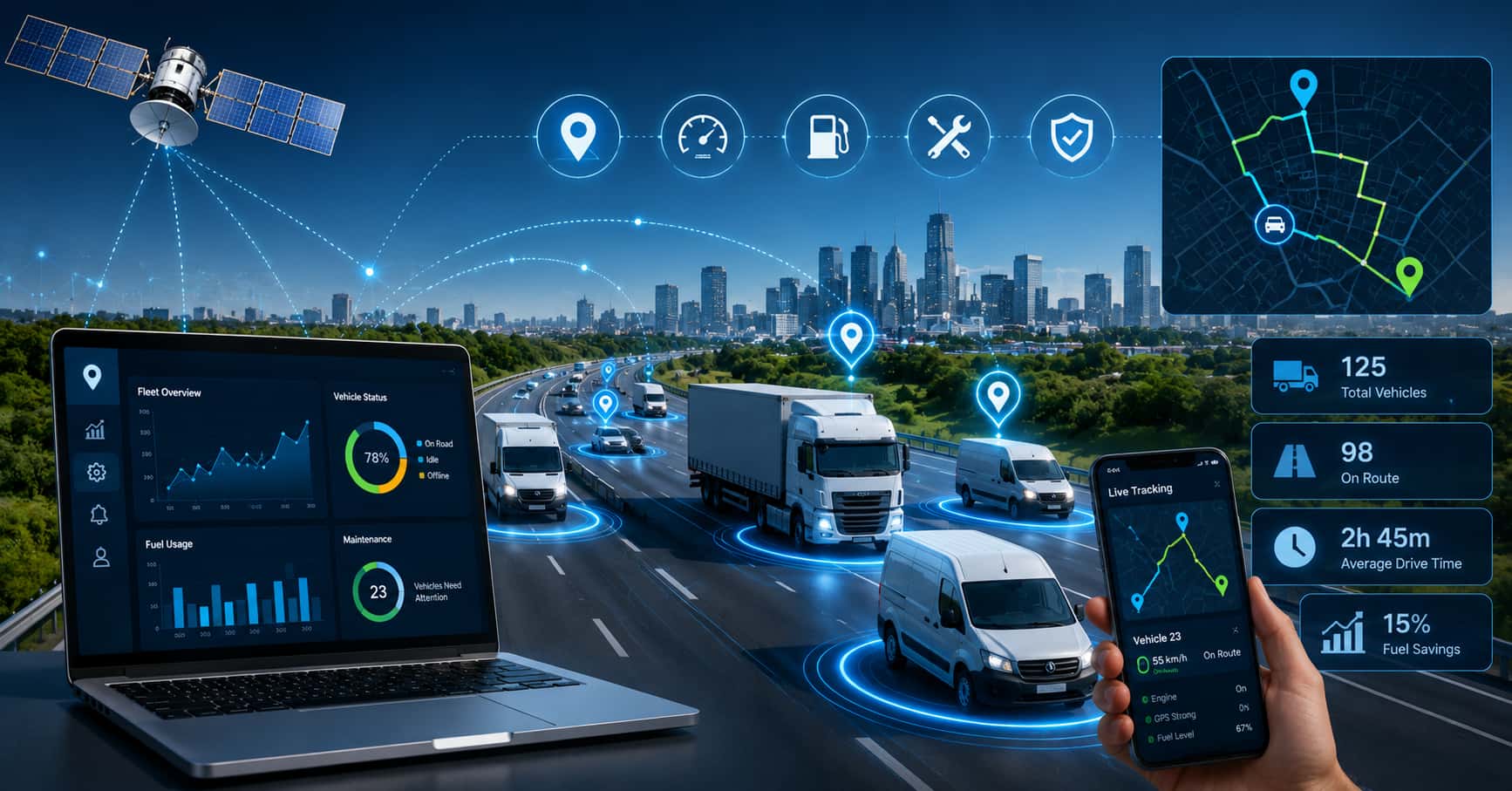
The integration of Global Positioning System (GPS) technology and vehicle analytics has transformed the landscape of fleet management. Companies leveraging these technologies are seeing substantial improvements in operational efficiency, cost reduction, and service quality. This article explores the benefits and mechanisms through which GPS and vehicle analytics enhance fleet performance.
Understanding GPS and Vehicle Analytics
GPS technology provides real-time location tracking of fleet vehicles, which is fundamental in managing a fleet efficiently. When combined with vehicle analytics, fleet managers gain access to a wealth of data including vehicle health, driver behavior, and fuel usage. This integration forms the backbone of modern telematics systems used in fleet management.
The Role of GPS in Fleet Management
GPS technology offers multiple functionalities that are crucial for effective fleet management. Key among these are:
- Real-time Tracking: Managers can monitor vehicle locations in real-time, allowing for immediate responses to any situation on the ground.
- Route Optimization: GPS data helps in identifying the quickest and most fuel-efficient routes, thereby reducing travel time and fuel expenses.
- Geofencing: This feature alerts managers when a vehicle enters or exits predefined geographical boundaries, enhancing security and operational control.
How Vehicle Analytics Contribute to Efficiency
Vehicle analytics go beyond simple location tracking to provide detailed insights into vehicle performance and driver behavior:
- Driver Performance Monitoring: Analytics can track driving patterns such as speed, braking habits, and idle times, helping to promote safer and more economical driving practices.
- Preventive Maintenance: By monitoring vehicle diagnostics, analytics can predict when a vehicle might need maintenance before it becomes a costly breakdown.
- Fuel Management: Analyzing fuel consumption data helps in identifying ways to reduce fuel usage and cut costs.
For more detailed insights, visit autoinsight.ca .
Case Studies and Success Stories
Many companies have reported significant benefits from incorporating GPS and vehicle analytics into their fleet management systems:
- A transportation company reduced its fuel costs by 20% after implementing route optimization and real-time tracking.
- A delivery service improved its on-time delivery rate by 15% through better route planning and driver monitoring.
- An operations manager used geofencing to enhance the security of goods in transit, significantly reducing theft and losses.
Future Trends in GPS and Vehicle Analytics
As technology progresses, the scope of GPS and vehicle analytics in fleet management is expected to expand. Future trends include:
- Integration with Autonomous Vehicles: GPS and analytics technologies are anticipated to play a crucial role in the management of autonomous fleets.
- Advanced Data Analytics: The use of AI and machine learning in analyzing vehicle data will provide even deeper insights, potentially transforming fleet management practices.
- Increased Connectivity: With developments in IoT, vehicles will be more connected, providing richer data and enabling more sophisticated management capabilities.
Conclusion
The integration of GPS and vehicle analytics into fleet management not only enhances operational efficiency but also contributes to significant cost savings and improved service delivery. As these technologies evolve, they promise to offer even greater benefits through more refined data insights and enhanced connectivity. Embracing these technologies is becoming increasingly essential for fleet operators aiming to stay competitive in a fast-evolving industry.



Comments (0)