
Why Connected Cars Are Becoming the New Standard
In recent years, the automotive industry has experienced a significant transformation, moving towards more connected and intelligent vehicles. Connected cars, which integrate internet connectivity and often include a wireless LAN, are becoming the new standard for numerous reasons. This evolution is not just a trend but a glimpse into the future of driving, where technology enhances safety, efficiency, and user experience. Let's delve into why connected cars are on the rise and how they are reshaping the way we think about driving.
The Rise of Connected Technology in Cars
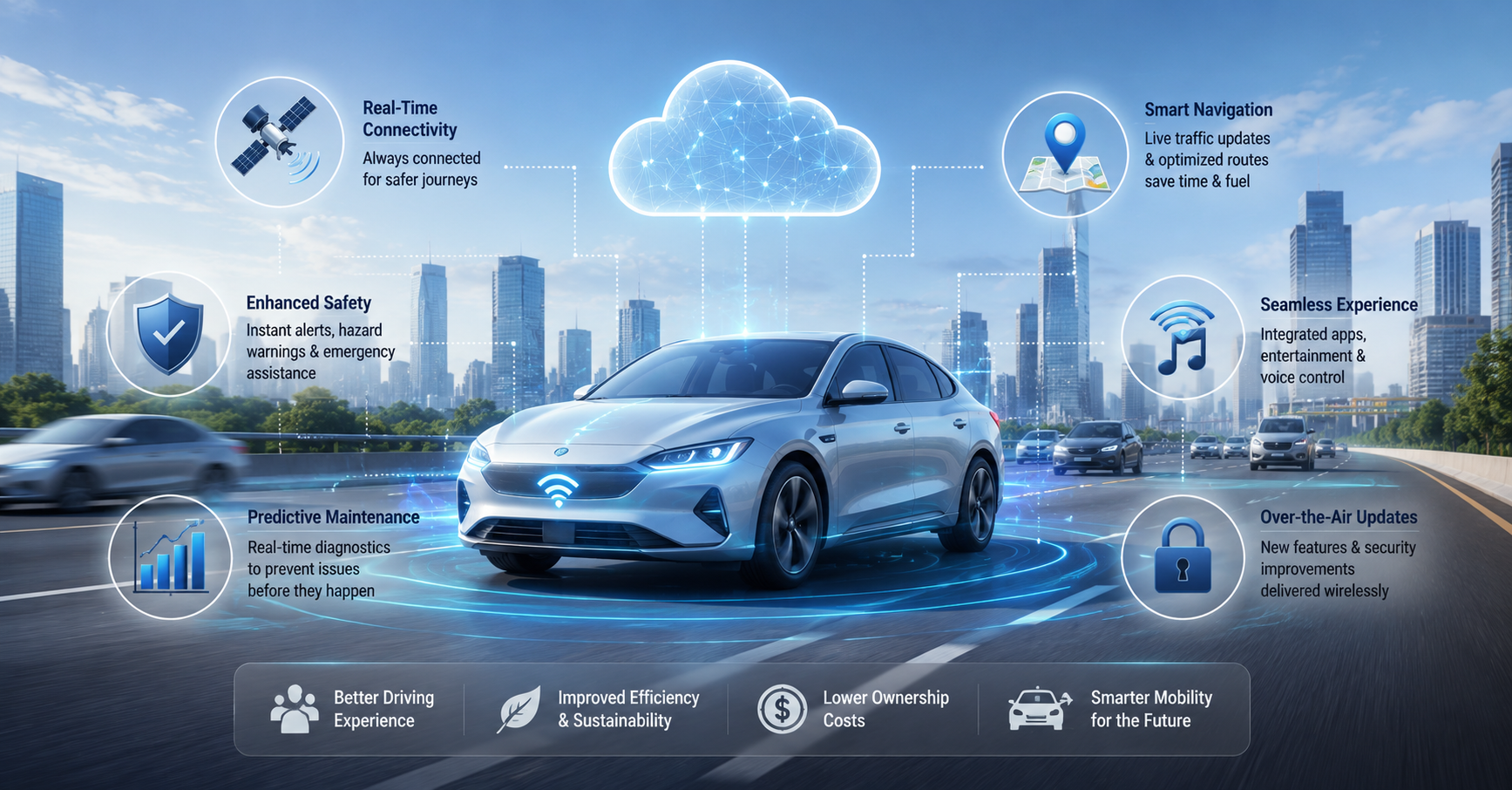
Connected car technology refers to the integration of internet access within a vehicle, which allows devices, both inside and outside of the car, to interact with each other. This connectivity can include everything from the vehicle's infotainment systems and software updates to telematics and real-time traffic alerts. The foundation of this technology lies in the development of robust in-car networking systems like 4G LTE and the upcoming 5G networks, which provide the bandwidth necessary for these complex operations.
Enhanced Safety Features
One of the pivotal benefits of connected cars is the enhancement in vehicle safety. Features such as automatic emergency braking, collision avoidance systems, and real-time traffic alerts help in significantly reducing the likelihood of accidents. Moreover, connected cars can communicate with each other (Vehicle-to-Vehicle communication, or V2V) and with infrastructure (Vehicle-to-Infrastructure, or V2I) to provide warnings about potential hazards, like slippery roads ahead or an approaching ambulance.
Improved Efficiency and Maintenance
Connected cars excel in offering improved efficiency and maintenance solutions. With real-time data collection on vehicle performance and usage, car manufacturers and service providers can offer timely maintenance updates and diagnostics information. This not only helps in preventing major repairs but also optimizes the vehicle's performance by addressing issues as soon as they arise.
Convenience and Comfort
The convenience provided by connected cars is unparalleled. From remote start features that allow drivers to cool or heat their cars before they enter, to advanced voice control systems that enable drivers and passengers to interact with their vehicles as they would with their smartphones, the level of comfort and convenience has significantly increased. Additionally, features like automated parking and customized entertainment options have made driving a more enjoyable and less cumbersome task.
Integration with Smart City Infrastructure
As cities become smarter, connected cars are becoming an integral part of this new urban ecosystem. Connected cars use IoT (Internet of Things) technology to interact with smart traffic lights and parking meters, contributing to smoother traffic flow and better energy use. This integration supports not only individual vehicle efficiency but also broader goals related to urban planning and sustainability.
The Future Outlook
The future of connected cars is promising and is anticipated to pave the way for autonomous vehicles. With continuous improvements in technology, such as AI and machine learning, connected cars are set to become smarter and more autonomous, potentially changing the landscape of personal and public transportation. As these technologies evolve, they promise even greater safety, efficiency, and convenience, further cementing the status of connected cars as the new standard in the automotive industry.
Conclusion
Connected cars are rapidly becoming the new standard due to their ability to enhance safety, increase efficiency, and provide unprecedented levels of convenience and comfort. As technology continues to advance, the integration of connected cars with smart city infrastructure is likely to become more seamless, promoting not only enhanced personal vehicle use but also wider urban mobility solutions. The shift towards connected cars is not just a phase; it is the future of driving.
For more insights on the latest in automotive technologies and how they're transforming our driving experiences, visit our website at autoinsight.ca .

Comments (0)