
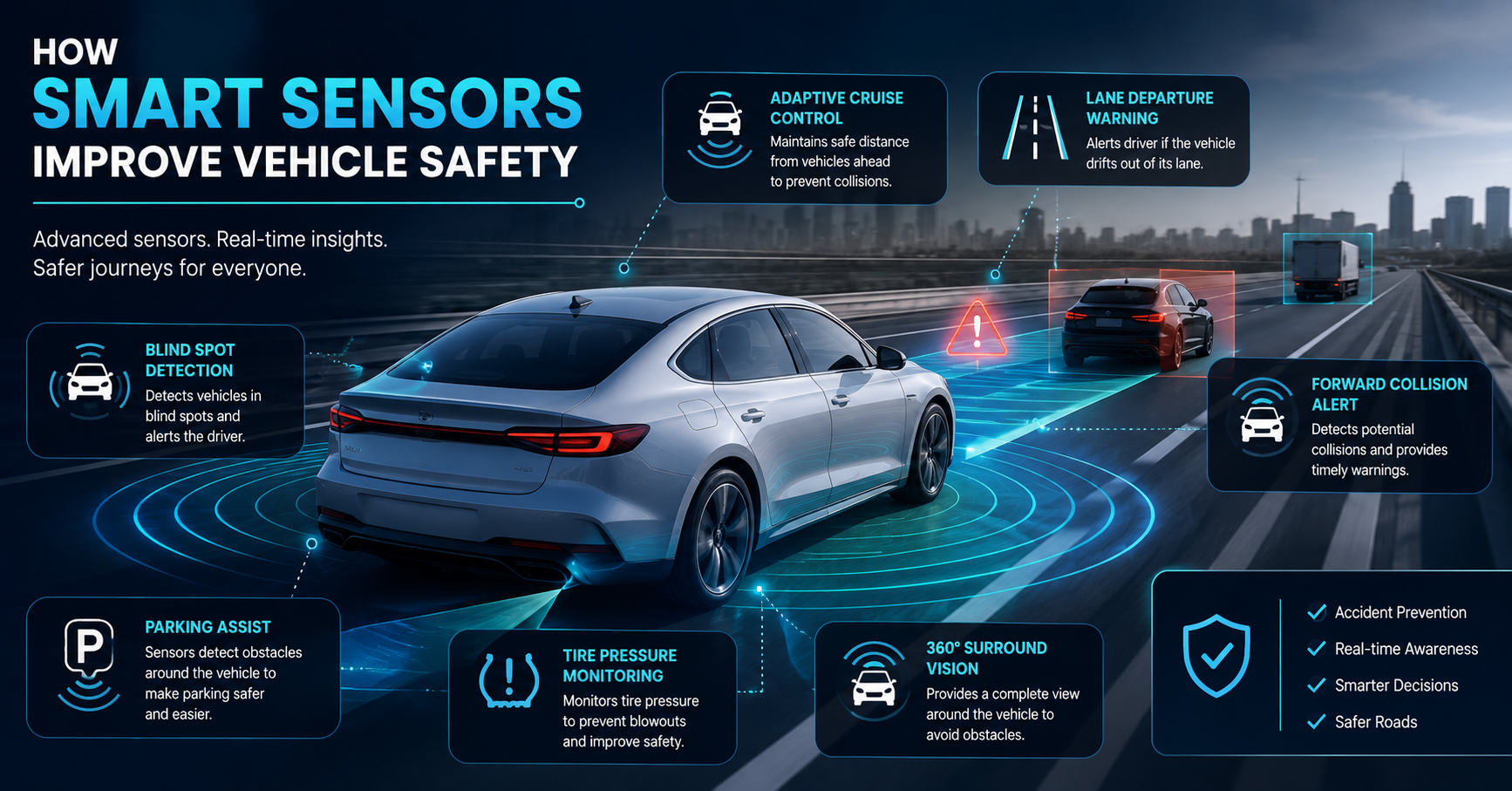
How Smart Sensors Improve Vehicle Safety
In the evolving landscape of automotive technology, one of the most significant advancements is the integration of smart sensors in vehicles. These sensors not only enhance the driving experience but also play a crucial role in improving road safety. This article delves into the functionalities of various smart sensors and how they contribute to making driving safer.
Understanding Smart Sensors
Smart sensors are advanced devices that gather data from the environment and use it to make intelligent decisions. In the context of automotive safety, these sensors collect real-time data on vehicle performance, road conditions, and surrounding obstacles, allowing for automated system responses to potential hazards.
Types of Smart Sensors in Vehicles
Several types of smart sensors are currently used in vehicles, each serving a specific function:
- LiDAR Sensors: Light Detection and Ranging sensors help in creating precise, real-time maps of the vehicle's surroundings, which is essential for autonomous driving.
- Radar Sensors: These sensors detect the distance and speed of objects around the vehicle, crucial for adaptive cruise control and collision avoidance.
- Camera Sensors: Cameras monitor and analyze visual data, aiding in lane departure warnings, traffic sign recognition, and pedestrian detection.
- Ultrasonic Sensors: Often used in parking assist systems, these sensors detect the proximity of the vehicle to obstacles during low-speed maneuvers.
How Smart Sensors Enhance Vehicle Safety
The primary function of smart sensors in vehicles is to enhance safety by providing critical data that leads to better decision-making. Here are some ways these sensors are used:
- Collision Avoidance: By detecting the position and speed of nearby cars, sensors can trigger automatic braking systems to prevent or mitigate a collision.
- Lane Keeping Assistance: Camera-based sensors can detect lane markings and actively control the steering to help keep the vehicle within its lane.
- Blind Spot Detection: Radar sensors monitor blind spots and alert the driver about hidden vehicles, reducing the likelihood of side collisions during lane changes.
- Adaptive Cruise Control: Using radar and camera sensors, this system adjusts the vehicle's speed in response to the traffic condition, maintaining a safe distance from the car ahead.
For more details on the implementation of smart sensors in modern vehicles, visit autoinsight.ca .
Case Studies and Real-World Applications
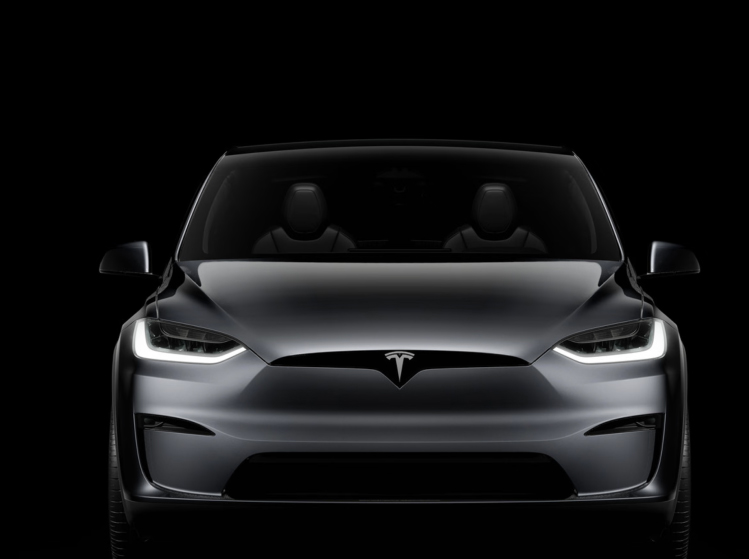
Many car manufacturers have successfully integrated smart sensors into their safety protocols. For instance, Volvo's City Safety technology uses cameras and radar to prevent accidents by detecting vehicles, cyclists, and pedestrians, even in low light conditions. Similarly, Tesla's Autopilot combines several sensors to provide features like Auto Lane Change and Autopark, enhancing both safety and driving convenience.
Challenges and Future Directions
Despite their benefits, the deployment of smart sensors faces challenges such as high costs, privacy issues, and the need for robust data security measures. Furthermore, the effectiveness of these sensors can be influenced by environmental factors like bad weather. Looking ahead, ongoing research and development are focused on improving the accuracy, reliability, and affordability of smart sensors, which will further boost their adoption in vehicle safety systems.
Conclusion
Smart sensors are at the forefront of revolutionizing vehicle safety. With capabilities ranging from collision avoidance to adaptive cruise control, these sensors provide critical data that helps prevent accidents and save lives. As technology advances, we can expect even more innovative uses of smart sensors in vehicles, making roads safer for everyone. The future of driving lies in the effective use of technology, and smart sensors are a pivotal part of this progression.

Comments (0)