
Why Your Car Takes Longer to Start in the Morning
Many car owners experience their vehicles taking longer to start in the morning. This common issue can be frustrating and worrying, leading to concerns about reliability and potential repairs needed. In this article, we will explore the various reasons why this occurs, focusing on environmental and mechanical factors that influence your car's performance.
Temperature Effects on Your Car
One of the primary reasons why cars struggle to start in the morning is due to the overnight drop in temperatures. Colder weather can have a significant impact on various components of your car:
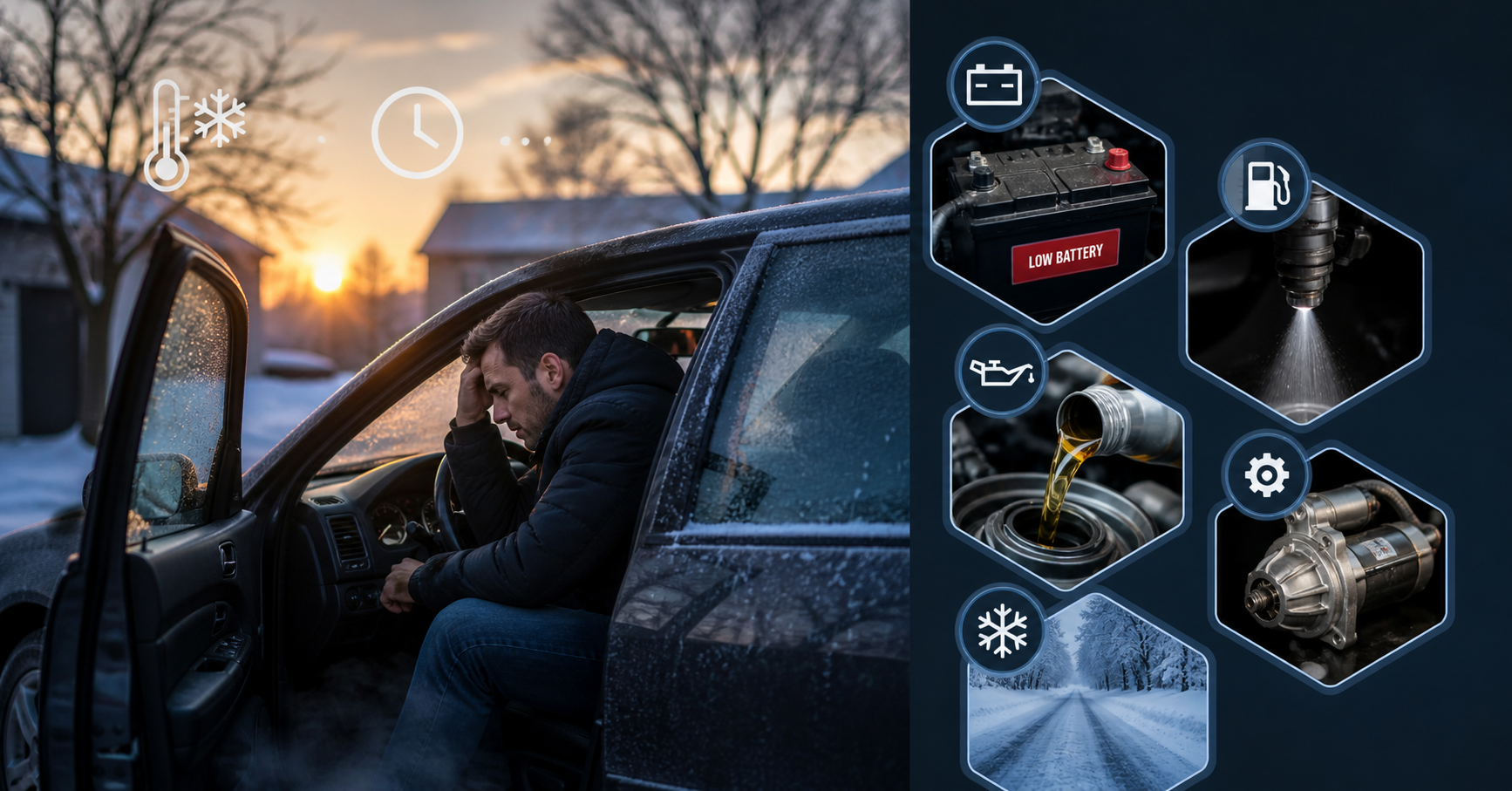
- Battery Capacity: Cold temperatures reduce the chemical activity in a car battery, decreasing its ability to hold a charge. This results in lower cranking power when you attempt to start your vehicle.
- Oil Viscosity: Engine oil thickens in cold weather, which can cause it to move slower. This thicker oil requires more energy to circulate through the engine, putting additional strain on the battery.
- Fuel Delivery: In some cases, cold weather can affect fuel delivery systems, making it harder for the engine to get the necessary fuel to start.
Electrical System Considerations
Beyond temperature, electrical issues can also lead to difficulties when starting your car in the morning:
- Worn Out Batteries: Batteries have a limited lifespan, typically 3-5 years. A worn-out battery may not fail outright but will struggle in performance, particularly under cold conditions.
- Corroded Connections: Corrosion on battery terminals can impede the flow of electricity, which is crucial for starting the engine efficiently.
- Starter Motor Problems: The starter motor, which is responsible for turning over the engine, can wear out or malfunction, leading to slow or unsuccessful starts.
Mechanical Issues
Mechanical problems can also contribute to why your car may take longer to start in the morning:
- Worn Spark Plugs: Spark plugs that are degraded or covered in build-up may not function effectively, causing poor starting performance.
- Timing Issues: If the timing belt or chain is loose or broken, it can cause the engine to run inefficiently, affecting its ability to start quickly.
- Fuel System Blockages: Blockages or leaks in the fuel system can prevent the proper amount of fuel from reaching the engine, resulting in delayed start times.
Preventative Measures and Solutions
To mitigate these issues, consider the following tips:
- Regular Maintenance: Keep up with your vehicle's regular maintenance schedule to ensure all parts are in good working order.
- Battery Care: Regularly check your car's battery for signs of corrosion and wear. Consider replacing the battery if it's near the end of its expected lifespan.
- Engine Warm-Up: In colder months, allow your car to warm up for a few minutes to help thin out the oil and stabilize engine operation.
Conclusion
Understanding why your car takes longer to start in the morning can help you identify potential issues early and address them promptly. Regular maintenance, especially in preparation for the colder months, plays a crucial role in ensuring your car remains reliable and ready to go when you are. By keeping an eye on the health of your battery, ensuring your electrical connections are clean, and addressing any mechanical issues promptly, you can minimize morning start problems and keep your vehicle in peak condition.




Comments (0)