
Gas vs Electric Cars: Maintenance Cost Comparison
Choosing between a gas and an electric car involves various factors, including purchase price, range, performance, environmental impact, and notably, maintenance costs. In this article, we will delve into a detailed comparison of the maintenance costs between gas and electric vehicles to aid your decision-making process.
Understanding the Basic Maintenance Needs
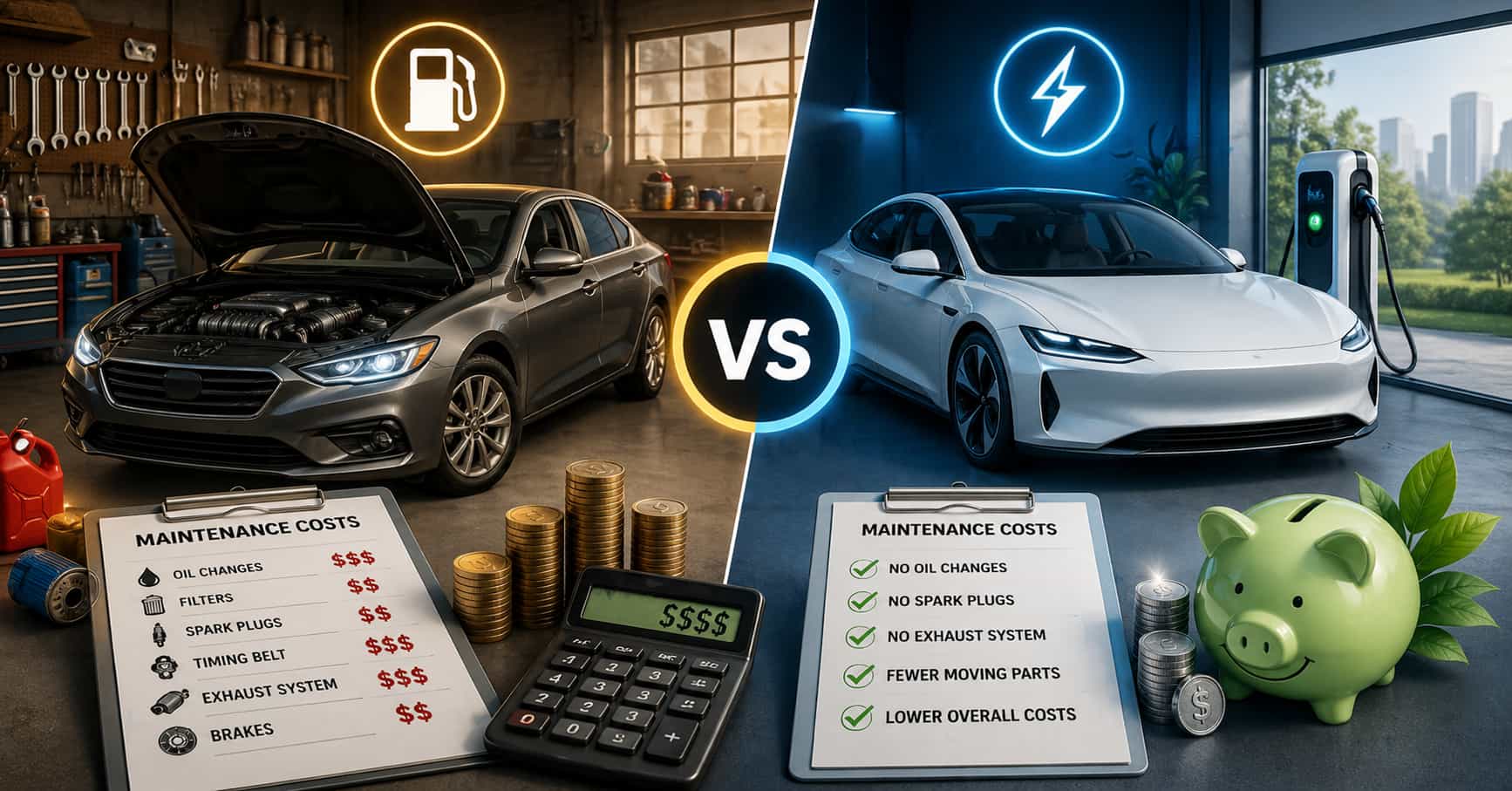
Before diving into the cost comparison, it's important to understand what maintenance typically entails for both types of vehicles. Gas cars require regular oil changes, air filter replacements, and exhaust system repairs. On the other hand, electric cars do not have internal combustion engines, which eliminates the need for oil changes and exhaust system maintenance. However, they do require other types of care, such as battery health checks and software updates.
Comparison of Maintenance Costs
According to various studies and owner reports, electric vehicles generally incur lower maintenance costs compared to gas vehicles. This section breaks down these costs to provide a clearer picture.
Engine and Transmission
Gas cars are equipped with complex engines and transmissions that require periodic maintenance and can be costly to repair. Electric cars, however, have simpler drivetrains with fewer moving parts, which typically results in fewer mechanical issues and lower maintenance costs.
Oil Changes
A significant recurring expense for gas car owners is oil changes, which are necessary at intervals of about 5,000 to 7,500 miles. Electric cars do not require oil changes, which eliminates a regular maintenance expense.
Battery Maintenance
While electric cars eliminate some traditional maintenance tasks, they introduce the need for battery maintenance. Although modern electric car batteries are designed to last many years, they are expensive to replace if they fail outside of warranty. However, the cost of battery technology is decreasing over time, making this less of a financial burden as advancements continue.
Brake Wear
Electric cars typically use regenerative braking systems that help reduce wear on the brakes. This can lead to lower maintenance costs and longer intervals between brake pad replacements compared to gas cars.
Tires and Other Components
Both electric and gas cars require regular tire maintenance and occasional replacement of components like windshield wipers and cabin filters. However, due to the heavier weight of electric vehicles, they may experience faster tire wear, potentially increasing these particular maintenance costs.
Annual Maintenance Cost Comparison
Studies show that on average, electric vehicle owners spend about 30% less annually on maintenance compared to owners of gas vehicles. This difference can add up to significant savings over the life of the vehicle.
Long-Term Reliability and Resale Value
Maintenance costs also affect long-term reliability and resale value. Electric cars, with fewer mechanical issues and lower maintenance needs, may offer better long-term reliability, which can be attractive to second-hand buyers, potentially boosting their resale value.
Conclusion
In conclusion, electric cars offer a compelling case in terms of lower maintenance costs compared to gas cars. While the upfront cost of electric vehicles can be higher, the savings on maintenance, along with environmental benefits and potential tax incentives, make them an attractive option for many buyers. As battery technology improves and costs continue to decrease, the economic advantage of electric vehicles will likely become even more significant. Whether you prioritize sustainability, cost savings, or both, considering the maintenance costs is crucial when choosing between a gas and an electric car.

Comments (0)