
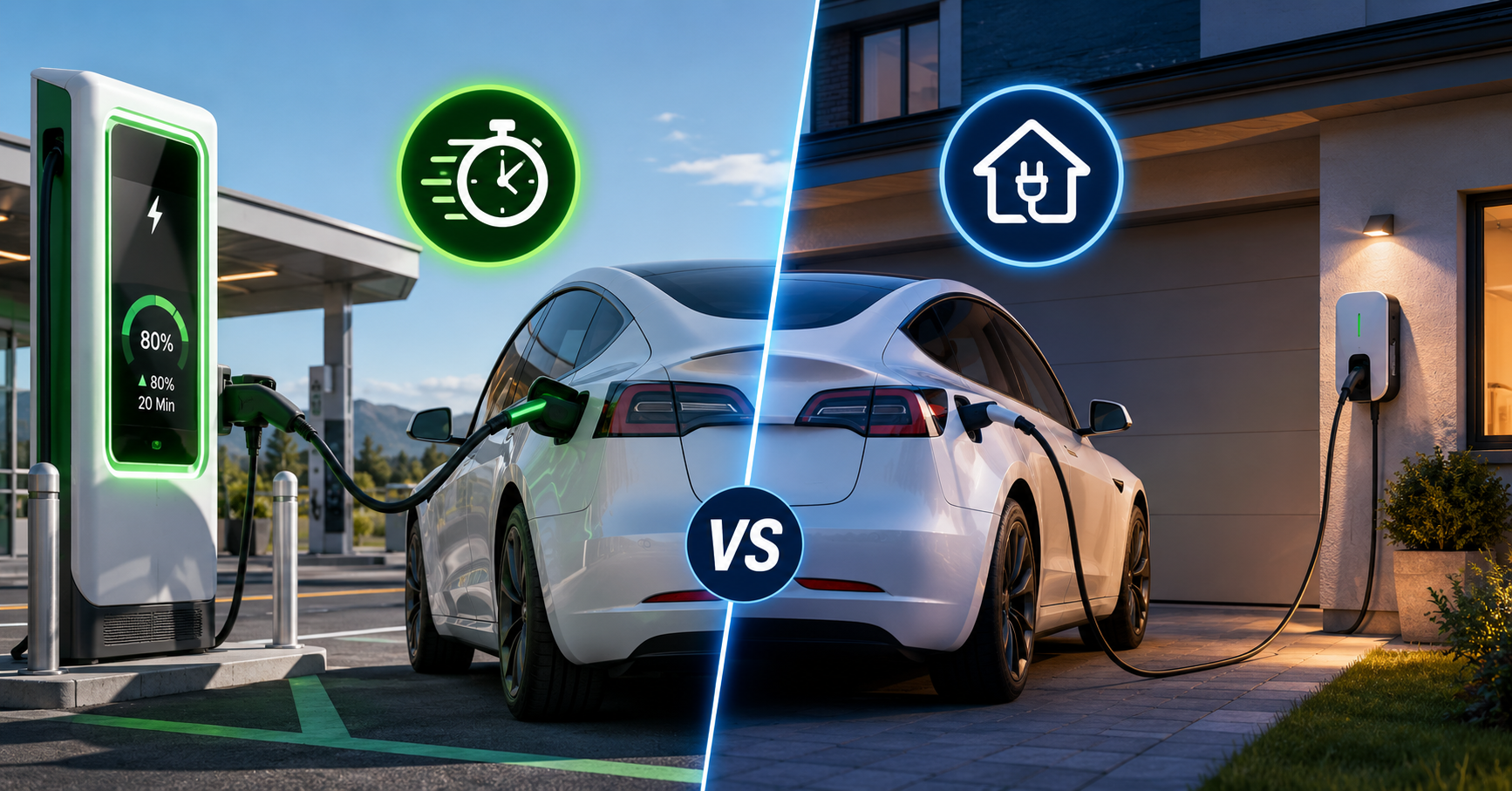
Fast Charging vs Home Charging: Which Is Better for EV Owners?
As electric vehicles (EVs) continue to gain popularity, one of the crucial aspects that potential and current EV owners must consider is the charging method. The choice between fast charging and home charging can significantly affect your daily routine, costs, and overall EV experience. In this comprehensive article, we will explore the pros and cons of each charging method, helping you decide which is better for your specific needs.
Understanding Fast Charging
Fast charging, often available at public charging stations, uses high-powered chargers to rapidly recharge your EV's battery. This method is known for its convenience, especially for long-distance travel where time is of the essence. Fast chargers can typically charge an EV battery from 20% to 80% in about 30 minutes, depending on the vehicle and charger type.
Advantages of Fast Charging
- Speed: The primary advantage of fast charging is its speed. It is the quickest way to recharge your EV while on the go.
- Accessibility: Many urban areas and highways are increasingly equipped with fast charging stations, making it easier for EV owners to find charging options during longer trips.
Disadvantages of Fast Charging
- Cost: Fast charging is typically more expensive than home charging. The cost can vary widely depending on the location and the network provider.
- Battery Health: Regular use of fast chargers can potentially reduce the lifespan of your EV’s battery due to the high currents involved.
Exploring Home Charging
Home charging is considered the most convenient charging method for many EV owners. By installing a charging station at home, you can charge your vehicle overnight and wake up to a fully charged battery every morning.
Advantages of Home Charging
- Convenience: Charge your EV from the comfort of your home without needing to stop at a charging station.
- Lower Cost: Home charging is generally less expensive than fast charging, especially if you can take advantage of off-peak electricity rates.
Disadvantages of Home Charging
- Installation Cost: The initial setup for a home charging station can be costly, although many governments offer incentives to offset these costs.
- Charging Time: Home chargers typically have lower power output compared to fast chargers, meaning it can take several hours to fully charge your EV.
For more detailed information and to explore more articles like this, visit our website: autoinsight.ca .
Comparing the Two
When comparing fast charging and home charging, it's important to consider your daily driving habits and lifestyle. Fast charging stations can be a lifesaver during long trips or when in a hurry, but they might not be necessary for everyday use if you have reliable access to home charging.
Conclusion
Ultimately, the choice between fast charging and home charging depends on your specific circumstances and needs as an EV owner. Home charging offers unmatched convenience and cost-effectiveness for daily use, while fast charging provides essential support for longer journeys and urgent needs. By understanding the benefits and limitations of each, you can make a well-informed decision that maximizes your EV's potential and aligns with your lifestyle.

Comments (0)