
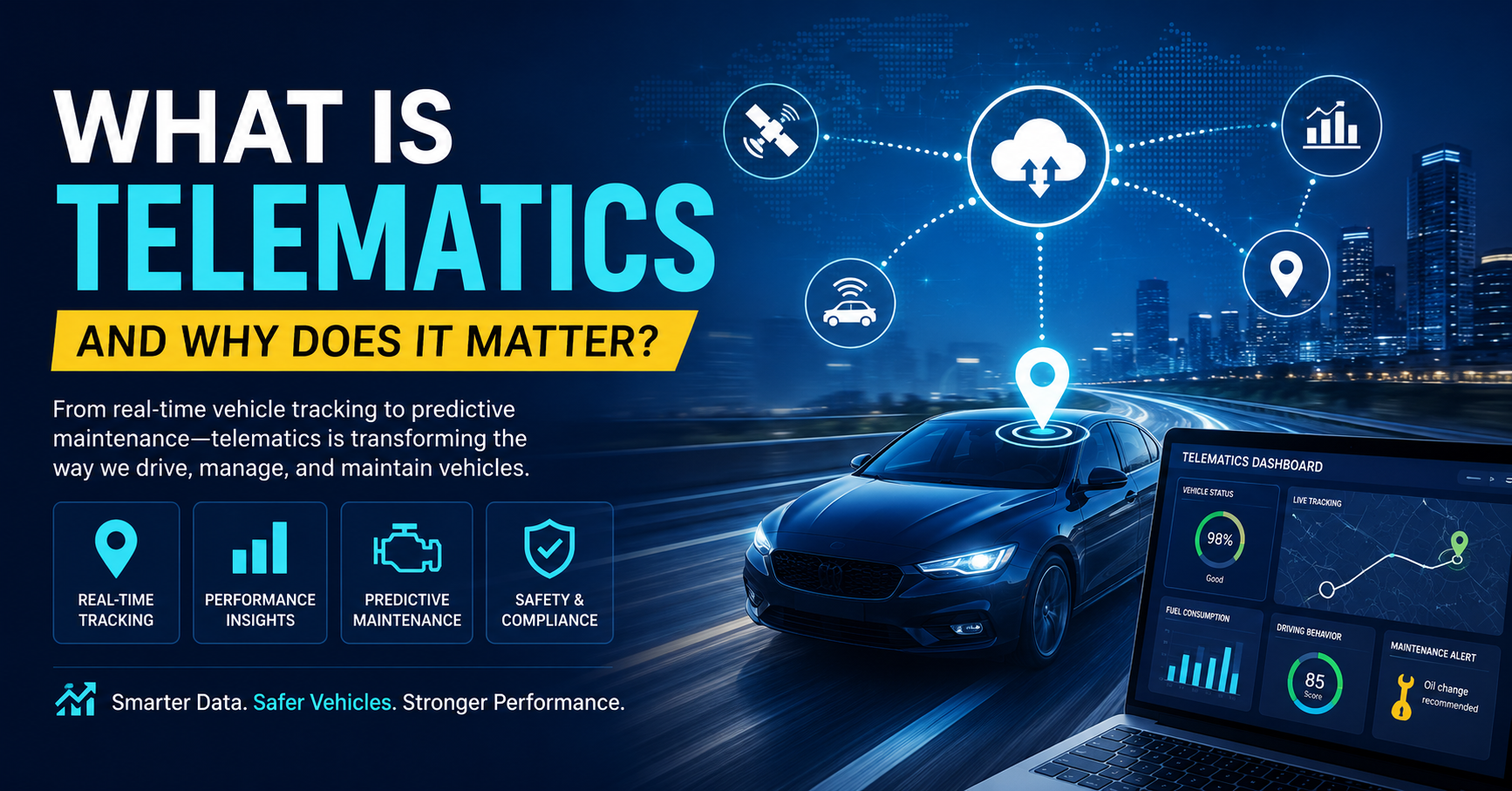
What Is Telematics and Why Does It Matter?
As technology continues to advance, telematics has emerged as a crucial field, blending telecommunications and vehicular technologies with information and computer sciences. But what exactly is telematics, and why is it becoming increasingly important in our connected world? This post explores telematics, its applications, and its growing relevance in various industries.
Understanding Telematics
Telematics is a broad term that refers to the integrated use of telecommunications with information and communication technology. It involves the transmission of information from a remote object – like a car, truck, or even heavy equipment – to a computer system for assessment. Originally rooted in the French word 'télématique' which was coined in the 197s, telematics has evolved significantly with advancements in GPS technology and the Internet.
At its core, telematics systems collect and send data through devices installed in vehicles that track all sorts of metrics like location, speed, idling time, harsh braking, and much more. This data is transmitted to a central server where it can be stored, analyzed, and accessed by users via specialized software applications.
Key Applications of Telematics
Telematics has a wide range of applications across various sectors:
- Fleet Management: In logistics and transportation, telematics is used to manage fleet vehicles. It helps in monitoring vehicle location, fuel consumption, vehicle maintenance, and driver behavior, improving operational efficiency and safety.
- Insurance: Many insurance companies use telematics to offer personalized insurance policies based on the driving data of the individual, a practice known as usage-based insurance (UBI).
- Healthcare: Telematics also finds applications in healthcare by facilitating real-time remote monitoring of patients' vital signs and providing emergency communication services.
- Public Safety: Emergency response vehicles leverage telematics to improve their response times and for effective resource management.
For more insightful information on technology applications, visit autoinsight.ca .
The Importance of Telematics
Telematics systems are pivotal for modern-day logistics and fleet management. The real-time data obtained through telematics devices helps companies optimize their operations in several ways:
- Enhanced Operational Efficiency: By monitoring vehicle data, companies can reduce fuel usage, predict maintenance needs, and improve route planning.
- Improved Safety: Telematics contributes to road safety by monitoring driver behavior and providing actionable insights to prevent risky behaviors.
- Cost Reduction: With better route management and maintenance alerts, companies can significantly cut down costs associated with vehicle upkeep and downtime.
- Regulatory Compliance: For commercial vehicles, adhering to regulations is crucial, and telematics helps ensure compliance with laws regarding driving hours, rest periods, and more.
Challenges and Future of Telematics
Despite its benefits, telematics faces challenges such as concerns over data privacy and the high initial cost of implementation. However, as technology evolves and becomes more cost-effective, these barriers are likely to diminish.
The future of telematics is promising, with advancements pointing towards more integrated, user-friendly systems. Innovations like autonomous vehicles, smart city infrastructure, and IoT integrations are expected to drive the evolution of telematics, making it an indispensable tool in our increasingly connected world.
Conclusion
In conclusion, telematics plays a fundamental role in modern technology, influencing everything from individual driving habits to how major industries operate. As we move forward, the integration of telematics with other technological advancements will only enhance its importance, making it a key player in the future of transportation, safety, and wide-scale data-driven decision making.



Comments (0)