
How Artificial Intelligence Is Transforming the Automotive Industry
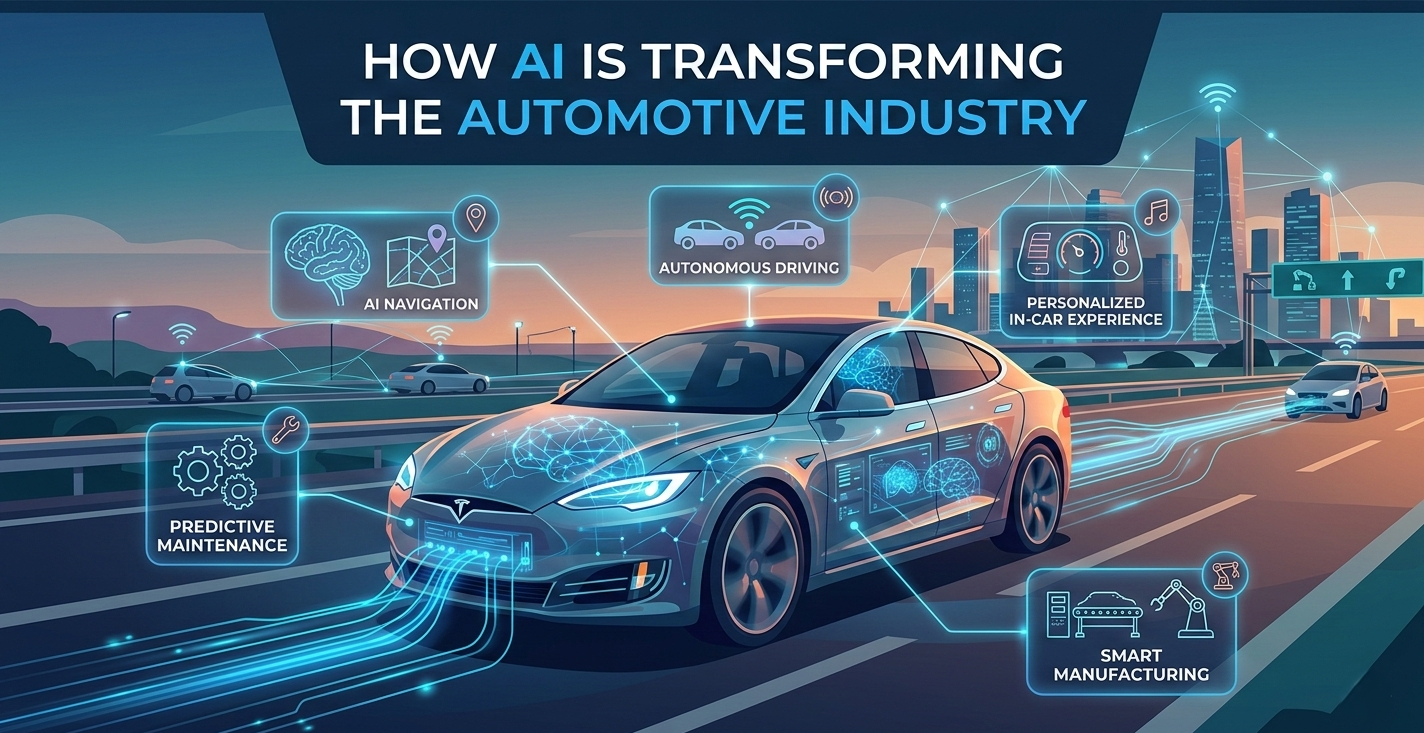
Artificial Intelligence (AI) is no longer just a buzzword but a pivotal force in the transformation of the automotive industry. From autonomous vehicles to predictive maintenance and personalized experiences, AI is at the forefront of innovation in this sector. In this detailed exploration, we will dive into the various ways AI is reshaping automotive production, safety, and user experience.
The Role of AI in Automotive Manufacturing
AI-driven technologies are revolutionizing automotive manufacturing processes, making them more efficient and cost-effective. Robotics, powered by AI algorithms, are now commonplace in assembly lines. These robots can perform tasks with precision and without fatigue, from welding and painting to assembling parts. AI also plays a crucial role in quality control, utilizing advanced vision systems to detect defects with greater accuracy than human inspectors.
Enhancing Vehicle Safety with AI
One of the most significant impacts of AI in the automotive industry is the enhancement of vehicle safety. AI algorithms are used to power advanced driver-assistance systems (ADAS) that help reduce the risk of accidents. Features such as automatic braking, collision detection, lane-keeping assist, and adaptive cruise control are all made possible through AI. Furthermore, AI is instrumental in developing fully autonomous vehicles, aiming to reduce human error, which is the leading cause of road accidents.
AI and Autonomous Vehicles
Autonomous vehicles (AVs) represent the pinnacle of AI integration in the automotive industry. These vehicles use AI to interpret sensor data, make decisions, and learn from new situations. AI systems in AVs continuously process vast amounts of data from LIDAR, cameras, GPS, and radar, enabling these vehicles to navigate complex environments. The evolution of AI algorithms ensures these vehicles become safer and more reliable over time, promising a future where road accidents are significantly reduced.
Personalization and AI
AI is also transforming how drivers and passengers experience vehicles. Through machine learning and data analytics, cars can now offer personalized recommendations, adjust settings according to the preferences of users, and even predict maintenance needs. For example, AI can analyze driving patterns to optimize fuel efficiency or suggest the best time to service the vehicle. This not only enhances the driving experience but also helps in maintaining the vehicle more efficiently.
Challenges and Future Prospects
Despite its numerous advantages, integrating AI into the automotive industry is not without challenges. Issues such as data privacy, cybersecurity, and the ethical implications of autonomous vehicles are still being addressed. Moreover, the high cost of AI technology and the need for substantial investment in research and development pose additional challenges. However, as technology advances and becomes more cost-effective, the potential of AI in the automotive industry continues to grow, promising revolutionary changes in the ways we manufacture, maintain, and interact with vehicles.
In conclusion, the impact of artificial intelligence on the automotive industry is profound and multifaceted, offering significant improvements in manufacturing, safety, and user experience. As AI technology continues to evolve, its integration into the automotive sector is expected to deepen, leading to even more innovative solutions and transforming the way we think about transportation and mobility.



Comments (0)