
Is That Used Car Really Worth It? How to Compare Market Value Like a Pro
Buying a used car can be a wise financial decision, but it also comes with its own set of challenges. One of the biggest hurdles is determining whether the car is priced fairly and understanding its true market value. This guide will walk you through the essential steps to compare the market value of used cars like a professional, ensuring you make an informed and worthwhile investment.
Understanding the Basics of Car Valuation
Before diving into the specifics, it's crucial to understand what factors influence the market value of a car. Age, mileage, condition, make, model, and regional market trends all play significant roles. Tools like Kelley Blue Book, Edmunds, and NADA Guides offer valuable benchmarks but understanding the nuances will give you a competitive edge.
Step 1: Check the Vehicle's History
The first step in assessing a used car is to check its history. A vehicle history report can reveal critical information about past accidents, service records, and previous ownership. Websites like Carfax and AutoCheck provide comprehensive reports that help you understand the car's past and anticipate potential future issues.
Step 2: Conduct a Thorough Inspection
Never judge a car solely by its exterior. A thorough inspection by a qualified mechanic can uncover hidden problems that aren't apparent to the untrained eye. This includes checking the engine, transmission, brakes, and electrical systems. The cost of a pre-purchase inspection is a worthwhile investment that could save you from expensive repairs down the line.
Step 3: Compare Similar Listings
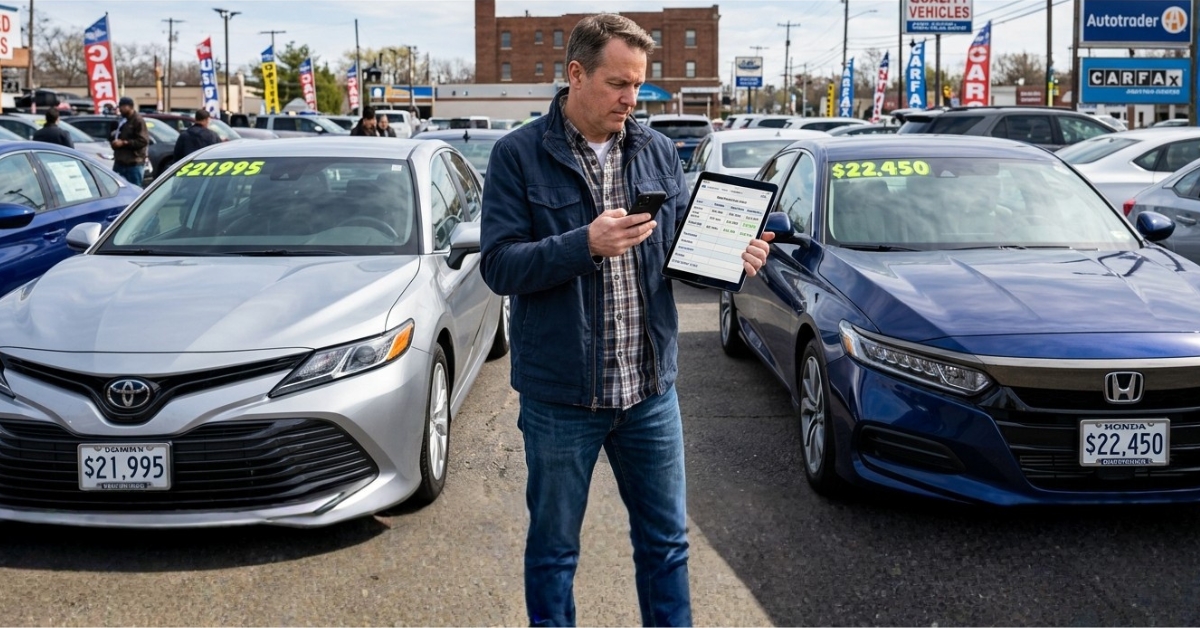
One effective way to gauge a car's market value is by comparing it with similar models listed for sale in your area. Look for cars of the same make, model, year, and condition. Websites like Autotrader, Cars.com, and Craigslist can provide a broad view of the current market prices. Pay attention to how long vehicles stay on the market, as this can also indicate their desirability and proper pricing.
Step 4: Factor in Reconditioning Costs
If the car requires repairs, factor these costs into the overall price. Obtain estimates for any necessary services or parts and use this information to negotiate the price. Remember, the goal is to ensure the total cost of the car (purchase plus repairs) aligns with its market value after reconditioning.
Step 5: Use Online Valuation Tools
Utilize online car valuation tools to get a ballpark figure of what the car should be worth. Input details about the car’s condition, mileage, and features to receive a more accurate estimate. This step helps solidify your understanding of the car's market value and prepares you for informed negotiations.
Conclusion
Determining whether a used car is worth its price involves careful consideration and research. By following these steps, you can compare the market value of used cars effectively and make decisions that are financially sound. Remember, the more information you gather, the better equipped you are to negotiate and make a purchase that meets your needs and budget.




Comments (0)