
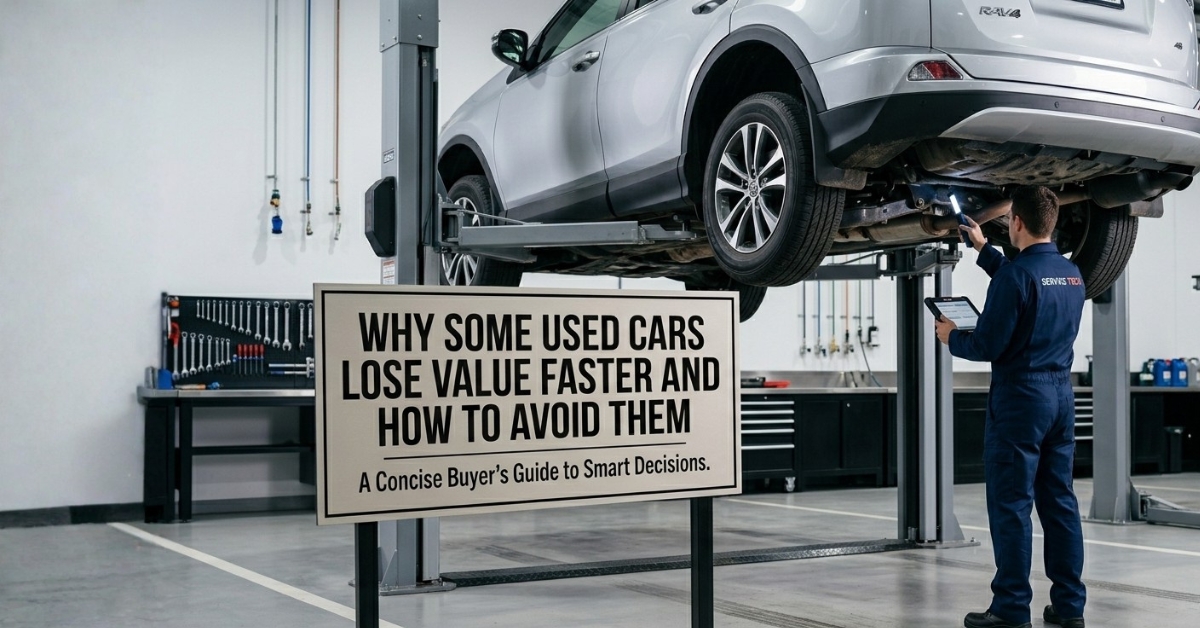
Why Some Used Cars Lose Value Faster And How to Avoid Them
When shopping for a used car, understanding which vehicles retain their value and which don’t is crucial. Not all cars depreciate at the same rate, and some lose their worth much faster than others. This rapid depreciation can affect your investment adversely. In this article, we will explore the reasons behind rapid car depreciation and offer practical tips on how to avoid buying these types of vehicles.
Factors Influencing Car Depreciation
The value of a used car doesn't drop uniformly; several factors influence how quickly a car loses its value:
- Brand Perception: Brands with a reputation for durability and reliability tend to depreciate slower than those perceived as less dependable.
- High Mileage: Cars with higher mileage tend to depreciate faster since they are closer to needing major repairs.
- Economic Factors: Changes in the economy, such as increased interest rates or a recession, can accelerate depreciation as demand for more expensive used cars decreases.
- Technology and Trends: Vehicles lacking in modern technology or those that fall out of fashion quickly can lose value faster.
- Supply and Demand: If there are more vehicles than buyers, prices drop, leading to faster depreciation.
How to Identify Cars That Depreciate Fast
Identifying cars that are likely to depreciate quickly can save you from making a poor investment. Here’s how you can spot these vehicles:
- Research Previous Models: Look at how previous models from the same manufacturer have depreciated over time.
- Check Consumer Reports: Consumer reports and reliability surveys can give you a sense of which cars are likely to face rapid depreciation.
- Market Trends: Be aware of current market trends, such as the increasing demand for electric vehicles, which might make traditional gas cars depreciate faster.
Strategies to Avoid Rapidly Depreciating Used Cars
To avoid getting stuck with a rapidly depreciating vehicle, consider the following strategies:
- Buy Popular Models: Choose models known for their longevity and popularity. These typically have slower depreciation rates.
- Opt for Certified Pre-Owned: These vehicles often come with extended warranties and have gone through rigorous inspections, which can help retain their value.
- Consider Resale Values: Always check the historical resale values of the car models you are interested in. This can give you a clear picture of what to expect in terms of depreciation.
- Lease Returns: Buying a lease return can be a good option as these cars are usually well-maintained and have lower mileage.
Final Thoughts
Buying a used car requires careful consideration to avoid vehicles that depreciate quickly. By understanding the factors that influence depreciation and employing strategies to select vehicles that maintain their value, you can make a more informed decision that safeguards your financial investment in the long run. Always take your time to research and inspect any used car thoroughly before finalizing your purchase.


Comments (0)