
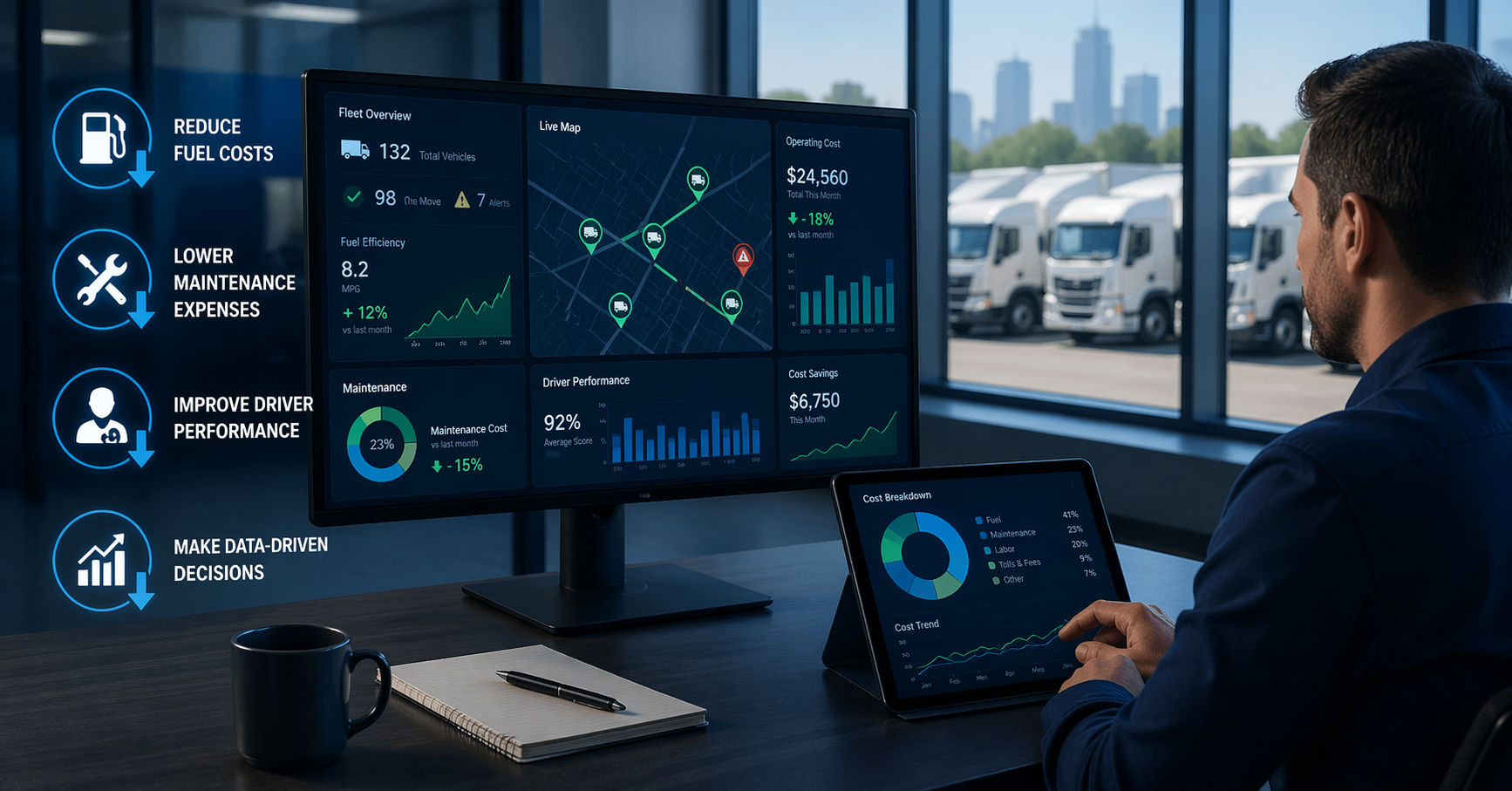
How Fleet Operators Can Reduce Costs Using Real-Time Analytics
In the highly competitive field of fleet operations, managing costs effectively is crucial for sustaining profitability. Real-time analytics is emerging as a key tool that can help fleet operators not only track but also reduce their operational expenses significantly. This technology enables businesses to make informed decisions quickly, leading to more efficient fleet management and reduced costs.
Understanding Real-Time Analytics
Real-time analytics involves the monitoring, processing, and analysis of data as it is generated. In the context of fleet management, this means analyzing data from vehicles and drivers continuously. This data can include vehicle location, fuel usage, speed, engine idling times, and driver behavior patterns. By accessing this information in real-time, fleet managers can make immediate adjustments to improve efficiency and reduce costs.
Key Benefits of Real-Time Analytics in Fleet Management
Implementing real-time analytics in fleet operations can lead to several tangible benefits:
- Enhanced Fuel Efficiency: By monitoring driving patterns and vehicle performance, fleet operators can identify ways to reduce fuel consumption, such as optimizing routes, encouraging economical driving behaviors, and reducing idling times.
- Improved Maintenance Scheduling: Real-time data helps predict when a vehicle is likely to need maintenance. This proactive approach prevents costly breakdowns and extends the lifespan of fleet vehicles.
- Optimized Fleet Performance: With instant access to performance data, managers can make immediate adjustments to deployments, ensuring that the right vehicles are used at the right times, thus maximizing efficiency.
- Reduced Operational Costs: By streamlining operations and improving efficiency, fleet operators can significantly lower costs related to labor, maintenance, fuel, and overall vehicle management.
Implementing Real-Time Analytics
To effectively implement real-time analytics in fleet management, operators should consider the following strategies:
- Choose the Right Tools: Invest in reliable fleet management software that offers real-time analytics capabilities. Ensure the tool integrates easily with existing systems and can scale as fleet needs grow.
- Train Your Team: Ensure that all relevant staff are trained on how to use the analytics tools effectively. Understanding how to interpret and act on the data is crucial.
- Set Clear Objectives: Define what you aim to achieve with real-time analytics, such as reducing fuel costs, improving driver safety, or decreasing vehicle downtime.
- Monitor and Adjust: Continuously monitor the effectiveness of real-time analytics and make adjustments as needed. Regular reviews will help refine strategies and ensure the technology is being used to its full potential.
Case Studies and Success Stories
Many fleet operators have already seen significant cost reductions by implementing real-time analytics. For instance, a logistics company reported a 15% decrease in fuel costs within the first six months of using real-time data to optimize routes and driving behaviors. Another example is a city bus service that used analytics to improve scheduling and maintenance, resulting in a 20% reduction in operational costs over one year.
Conclusion
Real-time analytics offers powerful tools for fleet operators looking to reduce costs and enhance efficiency. By leveraging up-to-the-minute data, fleet managers can make smarter decisions that lead to significant savings and improved service delivery. As technology continues to advance, the scope and impact of real-time analytics are expected to grow, making it an indispensable part of modern fleet management.




Comments (0)