
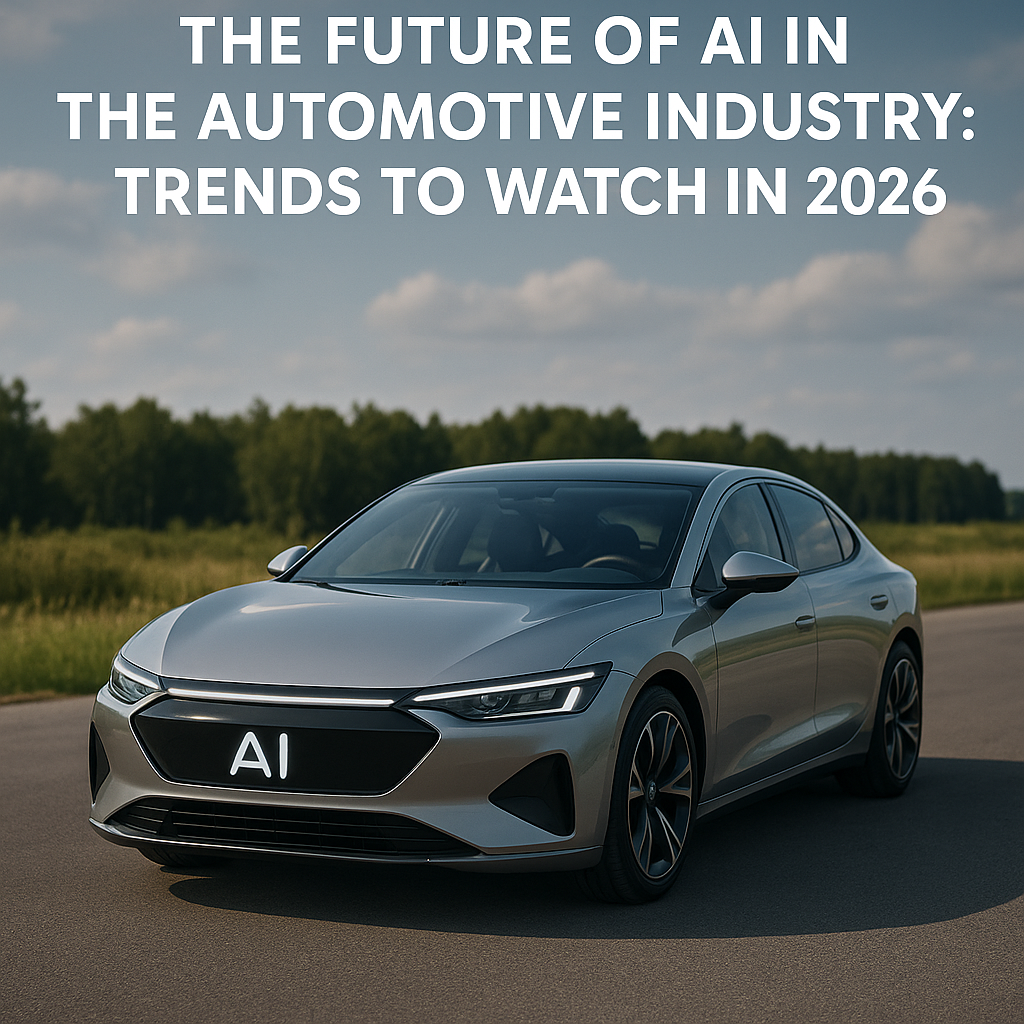
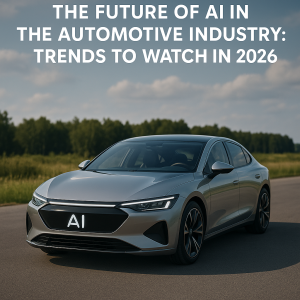
The Future of AI in the Automotive Industry: Trends to Watch in 2026
As we approach 2026, the integration of artificial intelligence (AI) in the automotive industry continues to accelerate, promising revolutionary changes. This article delves into key AI-driven trends that are shaping the future of automotive technologies, highlighting innovations that could redefine transportation, manufacturing, and user experience.
1. Enhanced Autonomous Driving Systems
One of the most anticipated AI applications in the automotive sector is in the development of autonomous driving systems. By 2026, advancements in machine learning algorithms and sensor technology are expected to improve the accuracy and safety of autonomous vehicles. These vehicles will not only understand complex traffic scenarios better but also communicate with each other to optimize traffic flow and reduce congestion.
2. AI-Driven Smart Manufacturing
The use of AI is not just limited to the vehicles but extends to their creation. Smart manufacturing in the automotive industry utilizes AI to streamline production processes, reduce waste, and enhance quality control. Predictive maintenance of equipment, powered by AI, can anticipate failures before they occur, significantly reducing downtime and maintenance costs.
3. Personalized In-Car Experiences
AI technologies are transforming how drivers and passengers interact with vehicles. By 2026, AI is expected to offer more personalized in-car experiences through advanced voice assistants and adaptive interfaces that adjust to the preferences and needs of users. From adjusting the car’s ambient temperature to suggesting routes, AI will cater to the comfort and convenience of all occupants.
4. AI for Enhanced Safety Features
As AI capabilities expand, so too does their potential to enhance vehicle safety. AI-driven safety features such as real-time risk assessment tools, advanced driver-assistance systems (ADAS), and predictive collision avoidance can dramatically decrease the likelihood of accidents, making roads safer for everyone.
5. Electrification and AI Optimization
The surge in electric vehicle (EV) adoption presents unique challenges in battery management and energy distribution, areas where AI can play a significant role. By 2026, AI is projected to optimize battery usage and charging schedules, improve the integration of EVs into the smart grid, and enhance the overall energy efficiency of these vehicles.
In conclusion, the year 2026 holds promising prospects for AI in the automotive industry, with each innovation paving the way for smarter, safer, and more efficient vehicles. As the boundaries of what AI can achieve continue to expand, the automotive sector stands on the brink of a new era characterized by unprecedented technological synergy.


Comments (0)